Showing 241–252 of 314 resultsSorted by latest

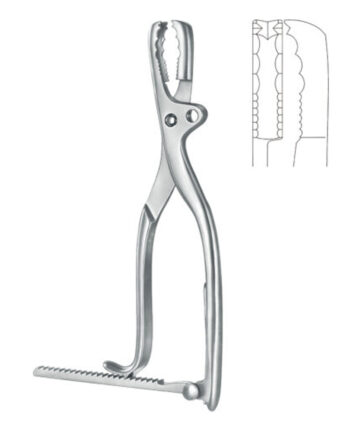
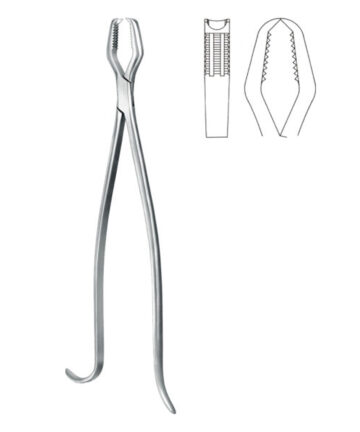
Bone surgery , Bone holding forceps, acc. to acc. to Lane, without lock

one Holding Forceps (Lane, Non-Locking)

  • Purpose: Used to securely hold and stabilize bone fragments during surgical procedures.
  • Design:
    • Characterized by a simple, scissor-like structure for easy handling.
    • Features broad, flat jaws that provide a stable grip on bone surfaces.
  • Material:
    • Typically made from high-quality stainless steel for strength and corrosion resistance.
    • Polished finish for easy cleaning and maintenance.
  • Size:
    • Available in various lengths and jaw widths to suit different surgical requirements.
  • Mechanism:
    • Non-locking design allows for manual control of grip strength; the surgeon maintains pressure to hold the bone in place.
  • Applications:
    • Widely used in orthopedic surgeries, particularly in fracture fixation and joint reconstruction.
  • Variations:
    • Comes in different configurations, including straight and curved options, to accommodate different surgical approaches.

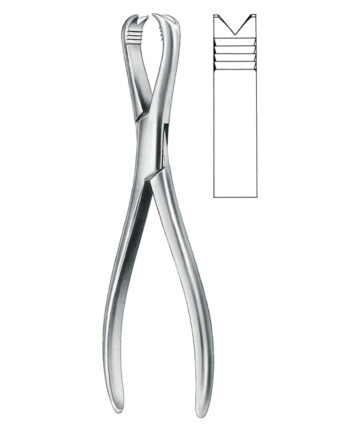
Bone surgery , Bone holding forceps, acc. to Farabeuf

Bone Holding Forceps (Farabeuf)

  • Purpose: Designed to securely grasp and hold bone fragments during surgical procedures.
  • Design:
    • Typically features a scissor-like design for ease of use.
    • Includes serrated jaws for enhanced grip on bone surfaces.
  • Material:
    • Made from stainless steel for durability and resistance to corrosion.
    • May have a polished finish for smooth operation and easy cleaning.
  • Size:
    • Available in various sizes to accommodate different surgical needs and patient anatomies.
  • Mechanism:
    • Often equipped with a locking mechanism to maintain grip without continuous pressure from the surgeon.
  • Applications:
    • Commonly used in orthopedic surgeries, trauma procedures, and reconstructive surgeries.
  • Variations:
    • May come in different configurations, such as straight or curved jaws, depending on the surgical approach.

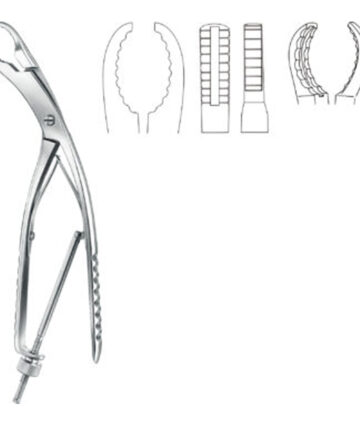
Bone surgery , Bone holding forceps, acc. to Langenbeck

Bone Holding Forceps (According to Langenbeck)

Description

  • Purpose: Bone holding forceps are specialized surgical instruments designed to grasp and stabilize bone fragments during orthopedic procedures, ensuring better control and visibility for the surgeon.

Design Features

  • Material: Typically made from high-quality stainless steel, offering strength, durability, and resistance to corrosion.
  • Shape: Often available in straight or curved designs, allowing for adaptability based on the surgical site and procedure.
  • Jaws:
    • The jaws are usually serrated or textured to provide a firm grip on bone surfaces, minimizing slippage.
    • Some models may have a locking mechanism that allows for secure holding without constant manual pressure, freeing the surgeon's hands for other tasks.
  • Handle: Designed for ergonomic use, ensuring comfort and control during prolonged surgical procedures.

Function

  • Bone Stabilization: Essential for holding bone fragments in position during fixation procedures, such as the insertion of plates, screws, or rods.
  • Alignment: Helps align and maintain proper positioning of bone fragments during fracture repair and reconstructive surgeries.
  • Visualization: Maintains an open surgical field, improving access and visibility for the surgeon.

Applications

  • Commonly used in various orthopedic and surgical procedures, including:
    • Fracture repairs
    • Osteotomies (cutting and repositioning of bones)
    • Joint reconstructions
    • Tumor resections

Conclusion

The Langenbeck bone holding forceps are crucial instruments in orthopedic surgery, providing reliable and secure handling of bone during critical surgical interventions. If you have any further questions or need additional information, feel free to ask!

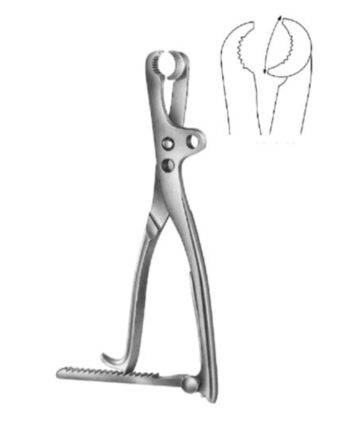
Bone surgery , Bone holding forceps, acc. to UlriCh, curved

Bone Holding Forceps (Curved, According to Ulrich)

Description

  • Purpose: Bone holding forceps are specialized surgical instruments designed to securely grasp and hold bone fragments during orthopedic procedures, allowing for improved visualization and manipulation of the surgical site.

Design Features

  • Material: Typically constructed from high-quality stainless steel, providing strength, durability, and resistance to corrosion.
  • Shape: The curved design allows for better access to anatomical structures and facilitates gripping in areas that may be difficult to reach with straight instruments.
  • Jaws:
    • The jaws are often serrated or have a textured surface, enhancing grip on the bone and preventing slippage during surgical maneuvers.
    • Some models may include a locking mechanism to maintain a secure hold without requiring continuous manual pressure.
  • Handle: Ergonomically designed handles ensure comfort and control, allowing the surgeon to apply the necessary force with precision and ease.

Function

  • Bone Stabilization: Used to hold bone fragments in place during fixation procedures, such as the placement of plates, screws, or other fixation devices.
  • Alignment: Assists in aligning bone fragments during fracture repairs or reconstructive surgeries.
  • Visualization: Keeps the surgical site open and stable, providing better access and visibility for the surgeon.

Applications

  • Commonly utilized in various orthopedic procedures, including:
    • Fracture repairs
    • Osteotomies (bone cutting and repositioning)
    • Joint reconstructions
    • Tumor resections

Conclusion

The Ulrich curved bone holding forceps are essential tools in orthopedic surgery, enhancing the surgeon's ability to securely handle and stabilize bone during critical procedures. If you have any further questions or need additional information, feel free to ask!

Bone surgery , Bone holding forceps, acc. to UlriCh, straight

Bone Holding Forceps (Straight, According to Ulrich)

Description

  • Purpose: Bone holding forceps are specialized surgical instruments designed to securely grasp and hold bone fragments during orthopedic procedures, allowing for better visualization and manipulation of the surgical site.

Design Features

  • Material: Typically made from high-quality stainless steel for strength, durability, and resistance to corrosion.
  • Shape: The straight design provides easy access to various anatomical locations, enabling effective gripping of bone without obstruction.
  • Jaws:
    • The jaws are often serrated or have a textured surface to enhance grip on the bone, preventing slippage during surgery.
    • Some models may feature a locking mechanism to maintain a secure hold without continuous manual pressure.
  • Handle: Ergonomically designed handles ensure comfort and control, allowing the surgeon to apply the necessary force with precision.

Function

  • Bone Stabilization: Used to hold bone fragments in place during fixation procedures, such as during the placement of plates, screws, or other fixation devices.
  • Visualization: Keeps the surgical site open and stable, providing better access and visibility for the surgeon.
  • Alignment: Assists in aligning bone fragments during fracture repair or reconstructive surgeries.

Applications

  • Commonly utilized in various orthopedic procedures, including:
    • Fracture repairs
    • Osteotomies (bone cutting and repositioning)
    • Joint reconstructions
    • Tumor resections

Conclusion

The Ulrich straight bone holding forceps are vital tools in orthopedic surgery, facilitating the secure handling and stabilization of bone during critical procedures. If you have any further questions or need additional details, feel free to ask!

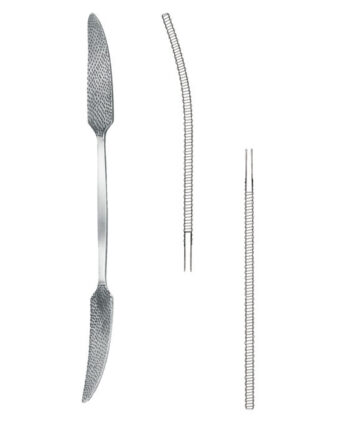
Bone surgery , Bone rasp, acc. to Putti, flat

Bone Rasp (Flat, According to Putti)

Description

  • Purpose: A bone rasp is a surgical instrument used to smooth and shape bone surfaces during orthopedic procedures. It helps prepare bone for implants or grafts and can also be used to remove irregularities.

Design Features

  • Material: Typically constructed from high-grade stainless steel to ensure durability, corrosion resistance, and ease of sterilization.
  • Shape: The flat design of the rasp allows for effective surface smoothing and contouring of flat bone surfaces, making it ideal for various orthopedic applications.
  • Surface: The working surface of the rasp is finely serrated or textured to enhance its ability to cut and smooth bone tissue with minimal effort.
  • Handle: Usually features an ergonomic handle for a secure grip and better control during use, allowing the surgeon to apply the necessary pressure without discomfort.

Function

  • Bone Shaping: Used to refine and contour bone surfaces, especially in procedures involving joint replacements or reconstructions.
  • Debridement: Effective for removing rough edges or irregularities in bone, ensuring a smoother surface for better healing and integration with implants.
  • Preparation for Implants: Prepares the bone bed for the placement of screws, plates, or other fixation devices, enhancing stability and integration.

Applications

  • Commonly utilized in a variety of orthopedic surgeries, including:
    • Joint arthroplasties (hip, knee)
    • Fracture repairs
    • Osteotomies (cutting and repositioning bones)
    • Tumor resections

Conclusion

The Putti flat bone rasp is an essential tool in orthopedic surgery, facilitating precise bone shaping and preparation for optimal surgical outcomes. If you have any further questions or need additional information, feel free to ask!

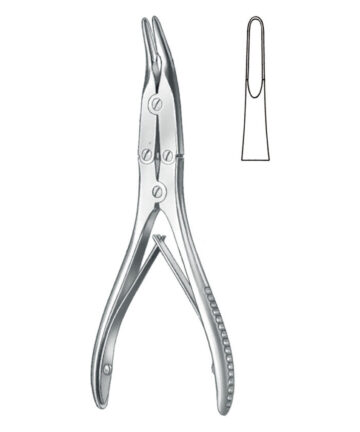
Bone surgery , Bone rongeur, acc. to Boehler, straight

Bone Rongeur (Straight, According to Boehler)

Description

  • Purpose: A bone rongeur is a surgical instrument used to remove or nibble away bone tissue. It is particularly useful in orthopedic and neurosurgical procedures where precise bone removal is required.

Design Features

  • Material: Typically made from high-quality stainless steel for strength, durability, and resistance to corrosion.
  • Shape: The straight design allows for easy access to flat surfaces of bone during surgery.
  • Jaws: The rongeur features sharp, concave jaws that can grip and cut bone effectively. The edges are designed to provide a clean bite, facilitating precise removal of bone fragments.
  • Handle: Ergonomically designed handles ensure a secure grip and optimal control during use, reducing hand fatigue for the surgeon.

Function

  • Bone Removal: Used to remove small pieces of bone or to create a cavity in bone during procedures such as spinal surgery, joint replacement, or tumor resection.
  • Debridement: Effective for debriding necrotic or unhealthy bone tissue to promote healing.

Applications

  • Commonly utilized in various orthopedic surgeries, including:
    • Spinal surgeries (e.g., laminectomy, discectomy)
    • Tumor resections
    • Joint surgeries (e.g., hip and knee arthroplasties)
    • Fracture repairs

Conclusion

The Boehler straight bone rongeur is a vital tool in orthopedic surgery, providing surgeons with the ability to perform precise bone removal and manipulation. If you have any further questions or need additional details, feel free to ask!

Bone surgery

Bone surgery, also known as orthopedic surgery, encompasses a range of procedures aimed at diagnosing, treating, and rehabilitating conditions related to the bones and joints. Here’s an overview of key aspects related to bone surgery:

Types of Bone Surgery

  1. Fracture Repair
    • Internal Fixation: Involves the use of plates, screws, or rods to stabilize broken bones internally.
    • External Fixation: Uses an external frame to stabilize bone fragments from outside the body.
  2. Joint Replacement
    • Total Joint Replacement: Replacement of a damaged joint (e.g., hip or knee) with a prosthetic implant.
    • Partial Joint Replacement: Replacing only the damaged part of the joint.
  3. Arthroscopy
    • A minimally invasive procedure using a small camera (arthroscope) and instruments to diagnose and treat joint issues.
  4. Osteotomy
    • Surgical cutting and repositioning of bone to correct deformities or alignment issues.
  5. Bone Grafting
    • Involves transplanting bone tissue to repair or rebuild bones, often used in conjunction with other surgeries.
  6. Spinal Surgery
    • Procedures such as discectomy, laminectomy, or spinal fusion to treat conditions affecting the spine.

Indications for Bone Surgery

  • Fractures that cannot heal properly without surgical intervention.
  • Severe arthritis causing debilitating joint pain.
  • Deformities or malalignment of bones.
  • Tumors affecting bone integrity.
  • Injuries resulting from sports, falls, or accidents.

Surgical Techniques

  • Open Surgery: Involves a large incision to access the bone directly.
  • Minimally Invasive Surgery: Utilizes smaller incisions and specialized instruments, leading to less tissue damage and faster recovery.

Recovery and Rehabilitation

  • Physical Therapy: Essential for regaining strength and mobility post-surgery.
  • Follow-Up Care: Regular check-ups to monitor healing and adjust rehabilitation plans as needed.

Risks and Complications

  • Infection, blood clots, nerve damage, and complications related to anesthesia.
  • Nonunion or malunion of bones, requiring further treatment.

Conclusion

Bone surgery plays a crucial role in restoring function and improving the quality of life for patients with bone and joint conditions. If you have specific questions about a particular type of bone surgery or related topics, feel free to ask!

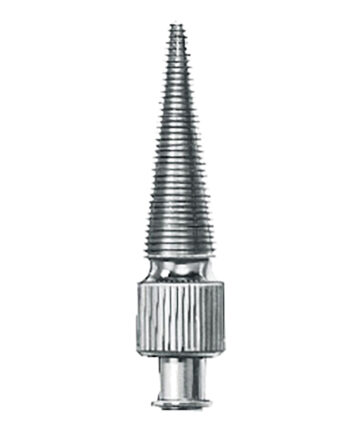
Trocars, suction tubes, Cannulas , Catheter fitting, conic

Trocars

  • Material: Typically made from stainless steel for durability and resistance to corrosion.
  • Design:
    • Sharp, pointed tip for easy penetration through tissues.
    • Hollow shaft designed to facilitate the passage of other instruments or fluids.
  • Function:
    • Used in minimally invasive surgeries (e.g., laparoscopic procedures) to create access points for surgical instruments.
  • Sizes: Available in various diameters to accommodate different surgical applications.

Suction Tubes

  • Material: Usually constructed from medical-grade plastic or stainless steel.
  • Design:
    • Can be flexible or rigid, with various lengths and diameters.
    • Often includes openings along the sides or at the tip for effective suctioning.
  • Function:
    • Designed to remove fluids, debris, or gases from surgical sites or body cavities.
  • Applications: Commonly used in surgeries, wound care, and emergency medicine.

Cannulas

  • Material: Typically made from stainless steel or high-quality plastic.
  • Design:
    • Hollow tubes designed for insertion into the body.
    • May include a removable inner stylet for easier insertion.
  • Function:
    • Used for delivering fluids, medications, or draining fluids from the body.
    • Applicable in various medical procedures, including intravenous (IV) therapy and airway management.

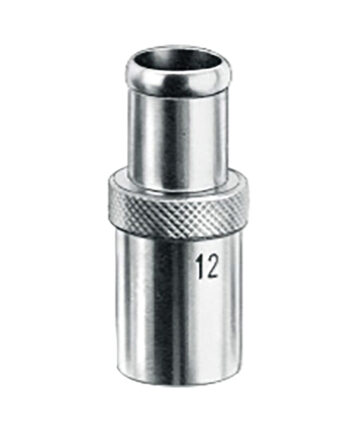
Conic Catheter Fitting

  • Material: Usually made from medical-grade plastic or silicone for flexibility and reliability.
  • Design:
    • Features a conical shape that allows for secure connections with various catheter tubes.
    • Designed to create a tight seal, preventing leaks during fluid transfer.
  • Function:
    • Facilitates the connection between catheter tubes and other medical devices or drainage systems.
    • Enhances fluid management and provides reliable access for medical procedures.
  • Applications: Commonly used in urology, vascular access, and other medical specialties requiring catheterization.
These instruments and components are crucial in surgical and clinical environments, providing essential functionality for a variety of medical procedures. If you have any further questions or need more specific details, feel free to ask!

Trocars, suction tubes, Cannulas , Connector, for catheter tube

Trocars

  • Material: Typically made from stainless steel for durability and corrosion resistance.
  • Design:
    • Sharp, pointed tip for easy penetration through tissues.
    • Hollow shaft designed to facilitate the passage of other instruments or fluids.
  • Function:
    • Used in minimally invasive surgeries (e.g., laparoscopic procedures) to create access points for surgical instruments.
  • Sizes: Available in various diameters to accommodate different surgical applications.

Suction Tubes

  • Material: Usually constructed from medical-grade plastic or stainless steel.
  • Design:
    • Can be flexible or rigid, with various lengths and diameters.
    • Often includes openings along the sides or at the tip for effective suctioning.
  • Function:
    • Designed to remove fluids, debris, or gases from surgical sites or body cavities.
  • Applications: Commonly used in surgeries, wound care, and emergency medicine.

Cannulas

  • Material: Typically made from stainless steel or high-quality plastic.
  • Design:
    • Hollow tubes designed for insertion into the body.
    • May include a removable inner stylet for easier insertion.
  • Function:
    • Used for delivering fluids, medications, or draining fluids from the body.
    • Applicable in various medical procedures, including intravenous (IV) therapy and airway management.

Connector for Catheter Tube

  • Material: Generally made from durable medical-grade plastic or silicone, ensuring safety and reliability.
  • Design:
    • Designed to connect catheter tubes to various medical devices or drainage systems.
    • Features secure fittings to prevent leakage and ensure a reliable connection.
  • Function:
    • Facilitates the transfer of fluids between catheters and other medical devices, enhancing fluid management.
    • Allows for easy attachment and detachment, improving efficiency during medical procedures.
  • Applications: Commonly used in urology, vascular access, and other medical specialties requiring catheterization and fluid drainage.
These instruments and components are essential in surgical and clinical environments, providing vital functionality for a variety of medical procedures. If you have any further questions or need more specific details, feel free to ask!

Trocars, suction tubes, Cannulas , Connector, Luer-Lock female, Record male

Trocars

  • Material: Typically made from stainless steel for durability and resistance to corrosion.
  • Design:
    • Sharp, pointed tip for easy penetration through tissues.
    • Hollow shaft designed to allow the passage of other instruments or fluids.
  • Function:
    • Used in minimally invasive surgeries (e.g., laparoscopic procedures) to create access points for surgical instruments.
  • Sizes: Available in various diameters to accommodate different surgical applications.

Suction Tubes

  • Material: Usually constructed from medical-grade plastic or stainless steel.
  • Design:
    • Can be flexible or rigid, with various lengths and diameters.
    • Often features openings along the sides or at the tip for effective suctioning.
  • Function:
    • Designed to remove fluids, debris, or gases from surgical sites or body cavities.
  • Applications: Commonly used in surgeries, wound care, and emergency medicine.

Cannulas

  • Material: Typically made from stainless steel or high-quality plastic.
  • Design:
    • Hollow tubes designed for insertion into the body.
    • May include a removable inner stylet for easier insertion.
  • Function:
    • Used for delivering fluids, medications, or draining fluids from the body.
    • Applicable in various medical procedures, including intravenous (IV) therapy and airway management.

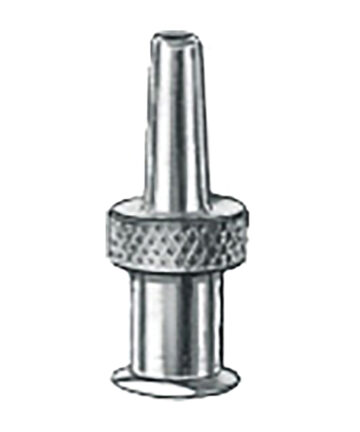
Luer-Lock Connector (Female to Record Male)

  • Material: Usually constructed from durable medical-grade plastic or metal for reliability.
  • Design:
    • Features a female Luer-Lock fitting on one end and a Record male fitting on the other for secure connections.
    • Designed to provide a leak-proof seal when connecting to syringes, suction devices, or other medical equipment.
  • Function:
    • Facilitates the transfer of fluids between devices, ensuring safe and efficient operation during medical procedures.
    • Allows for easy attachment and detachment, enhancing workflow in clinical settings.
  • Applications: Commonly used in anesthesia, intravenous therapy, and other medical procedures where precise fluid management is essential.
These instruments and components are vital in surgical and clinical environments, providing essential functionality for a wide range of medical procedures. If you have any further questions or need more specific details, feel free to ask!

Trocars, suction tubes, Cannulas , Handle, only, for 009-0545-00

Trocars

  • Material: Typically made from stainless steel for durability and resistance to corrosion.
  • Design:
    • Sharp, pointed tip for easy penetration through tissues.
    • Hollow shaft allows for the passage of other instruments or fluids.
  • Function:
    • Used in minimally invasive surgeries (e.g., laparoscopic procedures) to create access points for surgical instruments.
  • Sizes: Available in various diameters to accommodate different surgical applications.

Suction Tubes

  • Material: Usually constructed from medical-grade plastic or stainless steel.
  • Design:
    • Can be flexible or rigid, with various lengths and diameters.
    • Often features openings along the sides or at the tip for effective suctioning.
  • Function:
    • Designed to remove fluids, debris, or gases from surgical sites or body cavities.
  • Applications: Commonly used in surgeries, wound care, and emergency medicine.

Cannulas

  • Material: Typically made from stainless steel or high-quality plastic.
  • Design:
    • Hollow tubes designed for insertion into the body.
    • May include a removable inner stylet for easier insertion.
  • Function:
    • Used for delivering fluids, medications, or draining fluids from the body.
    • Applicable in various medical procedures, including intravenous (IV) therapy and airway management.

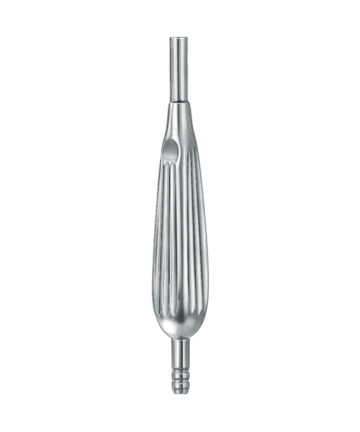
Handle (Only, for 009-0545-00)

  • Material: Usually constructed from durable medical-grade plastic or stainless steel to ensure strength and reliability.
  • Design:
    • Designed specifically to be compatible with the 009-0545-00 system.
    • Ergonomically shaped for comfortable grip and control during procedures.
  • Function:
    • Serves as the handle for suctioning instruments, providing the necessary leverage and control for effective operation.
    • Allows for easy attachment and detachment from suction tubes or cannulas.
  • Applications: Commonly used in various surgical settings where suctioning is required, enhancing efficiency and safety during procedures.
These instruments and components are crucial in surgical and clinical environments, providing essential functionality for a variety of medical procedures. If you have any further questions or need more specific details, feel free to ask!