
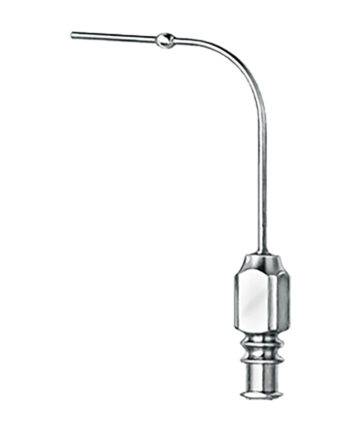
Trocars, suction tubes, Cannulas , Vessel irrigation cannula
SKU:
BMI-1296
Trocars
- Material: Typically made from stainless steel for durability and resistance to corrosion.
- Design:
- Sharp-pointed tip for penetrating tissue.
- Hollow shaft to allow the passage of other instruments or drainage.
- Function:
- Used to create access points in minimally invasive surgeries (e.g., laparoscopy) for the insertion of instruments.
- Sizes: Available in various diameters to suit different surgical needs.
Suction Tubes
- Material: Usually made from medical-grade plastic or stainless steel.
- Design:
- Flexible or rigid tubes with varying lengths and diameters.
- Openings along the sides or at the tip for effective suctioning.
- Function:
- Designed to remove fluids, debris, or gases from surgical sites or body cavities.
- Application: Commonly used in surgeries, wound care, and emergency medicine.
Cannulas
- Material: Often constructed from stainless steel or high-quality plastic.
- Design:
- Hollow tubes designed for insertion into the body, sometimes with a removable inner stylet for easier insertion.
- Function:
- Used for delivering fluids, medications, or draining fluids from the body.
- Applicable in various medical procedures, including intravenous (IV) therapy and airway management.
Vessel Irrigation Cannula
- Material: Typically made from medical-grade plastic or stainless steel.
- Design:
- Specialized cannula with a wider lumen and multiple side openings to facilitate irrigation.
- Often curved or angled for better access to vessels.
- Function:
- Used to irrigate blood vessels during surgical procedures to clear debris and maintain patency.
- Application: Essential in vascular surgeries and procedures requiring meticulous irrigation of vessels.
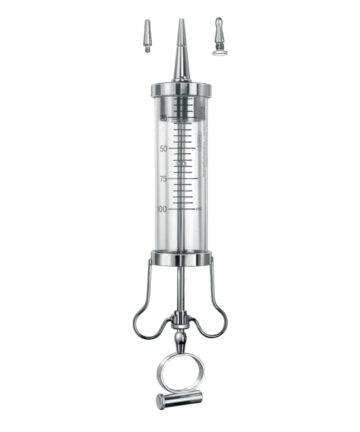
Trocars, suction tubes, Cannulas , Wound and Bladdersyringe, glas barrel, acc. to Janet
SKU:
BMI-1297
Trocars
- Material: Typically made of stainless steel for durability and corrosion resistance.
- Design:
- Sharp-pointed end for puncturing tissue.
- Often features a hollow shaft for the insertion of additional instruments or drainage.
- Function:
- Used in procedures such as laparoscopic surgeries to create an access point for other instruments.
- Sizes: Available in various diameters depending on the procedure.
Suction Tubes
- Material: Commonly made from medical-grade plastic or stainless steel.
- Design:
- Flexible or rigid tubes that can vary in length and diameter.
- Often equipped with openings along the sides or at the tip for effective suctioning.
- Function:
- Used to remove fluids, debris, or gases from surgical sites or body cavities.
- Application: Essential in surgeries, wound care, and in emergency medicine.
Cannulas
- Material: Usually constructed from stainless steel or high-quality plastic.
- Design:
- Hollow tubes designed for insertion into the body.
- May come with a removable inner stylet for easy insertion.
- Function:
- Used to deliver fluids, medications, or to drain fluids from the body.
- Can be used in various procedures, including IV therapy and airway management.
Wound and Bladder Syringe (Glass Barrel)
- Material:
- Glass barrel for ease of cleaning and sterilization.
- Rubber or plastic plunger for smooth operation.
- Design:
- Typically features a graduated scale for accurate measurement.
- Can have a variety of tips for different applications (e.g., curved tip for wound irrigation).
- Function:
- Used for irrigating wounds, drawing fluids, or administering medications into the bladder.
- Capacity: Available in various sizes, commonly from 30 mL to 60 mL.
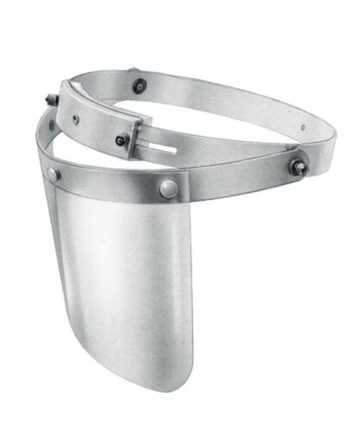
Asepsis , Face protector, Martin complete
SKU:
BMI-1097
Asepsis and Face Protector According to Martin
Asepsis
- Definition: Asepsis refers to the set of techniques and practices aimed at preventing infection by eliminating or controlling pathogenic microorganisms. It is critical in medical and surgical environments to maintain a sterile field.
Face Protector (Complete) According to Martin
- Description:
- Design: A complete face protector typically covers the entire face, including the eyes, nose, and mouth, providing comprehensive protection against splashes, sprays, and airborne pathogens.
- Material: Often made from high-quality transparent plastic or polycarbonate for visibility and durability.
- Fit: Adjustable straps ensure a secure and comfortable fit for different face shapes and sizes.
- Function:
- Protection: Shields the face from biological hazards, chemicals, and infectious agents, especially during procedures that generate droplets or aerosols.
- Aseptic Technique: Maintains aseptic conditions by providing a barrier that prevents direct contact with potential contaminants.
- Usage:
- Surgical Procedures: Essential in operating rooms where exposure to blood and other bodily fluids is possible.
- Infection Control: Used in environments like emergency rooms, laboratories, and during the treatment of infectious diseases.
- Best Practices:
- Cleaning and Disinfection: Regularly clean and disinfect the face protector according to manufacturer guidelines, especially if it is reusable.
- Inspection: Before each use, inspect for damage or wear to ensure optimal protection.
- Storage: Store in a clean, dry place to prevent contamination when not in use.
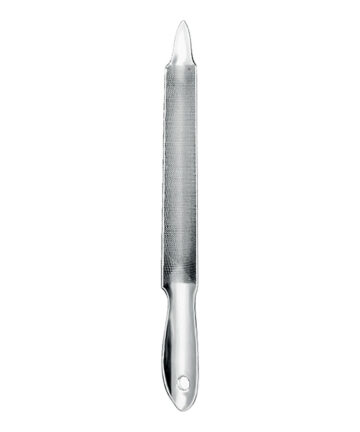
Asepsis , Fingernail file, hollow
SKU:
BMI-1098
Asepsis and Hollow Fingernail Files
Asepsis
- Definition: Asepsis refers to the methods used to prevent contamination by pathogens, ensuring a sterile environment, particularly in healthcare settings.
Hollow Fingernail Files
- Description:
- Design: Hollow fingernail files are typically designed with a hollow or tubular shape, which may allow for easier handling and lighter weight.
- Material: They can be made from various materials, including stainless steel, which is easy to sterilize.
Use in Asepsis
- Importance:
- Cleaning: Hollow designs can make it easier to clean and disinfect the file thoroughly, reducing the risk of harboring bacteria.
- Sterilization: Metal hollow files can be autoclaved or disinfected between uses, making them suitable for clinical environments where aseptic techniques are critical.
- Best Practices:
- Personal Hygiene: Regularly file nails to maintain cleanliness and prevent debris buildup.
- Before Procedures: Ensure that the hollow nail file is sterilized before use in a clinical setting.
- Storage: Store in a clean, dry place to avoid contamination.
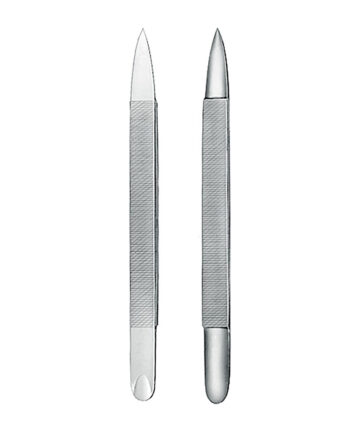
Asepsis , Fingernail file
SKU:
BMI-1099
Asepsis and Fingernail Files
Asepsis
- Definition: Asepsis refers to the practices designed to prevent the introduction of harmful pathogens into a sterile environment. This is crucial in medical and surgical settings to minimize the risk of infection.
Fingernail Files
- Use in Asepsis:
- Personal Hygiene: Maintaining clean fingernails is important in healthcare settings. Dirt or debris under nails can harbor bacteria, increasing the risk of contamination during procedures.
- Material: Fingernail files can be made of various materials, including emery board, glass, or metal. For aseptic conditions, tools should be cleaned or sterilized regularly.
- Design: Some nail files are designed to be disposable, reducing the risk of cross-contamination.
Best Practices
- Before Procedures:
- Ensure nails are clean and trimmed to prevent the accumulation of pathogens.
- Use an appropriate nail file that can be easily disinfected or is disposable.
- Infection Control: Regularly inspect and clean any reusable nail files to maintain aseptic conditions.
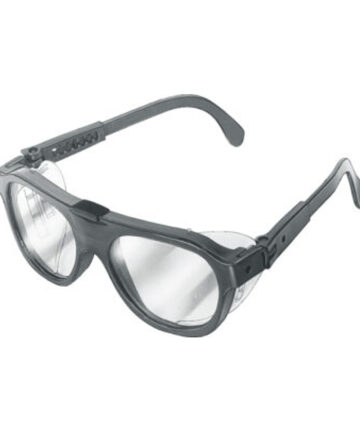
Asepsis , Infection googles, acc, to Zeller, without shield
SKU:
BMI-1100
Infection Goggles (Without Shield) according to Zeller
- Material: Typically made from high-quality plastic or polycarbonate for durability and impact resistance.
- Design:
- Goggles without a face shield provide eye protection without additional facial coverage.
- They often have an adjustable strap for a secure fit.
- Anti-fog features may be included for clear visibility.
- Function:
- Protects the eyes from splashes, sprays, or particles that may cause infection.
- Suitable for use in environments where aseptic technique is critical, such as during surgical procedures or when handling infectious materials.
- Limitations:
- While they protect the eyes, they do not provide protection for the face, which may be a consideration in certain high-risk environments.
Asepsis (NA)
SKU:
BMI-1101
Asepsis
- Definition: Asepsis refers to the absence of pathogenic microorganisms. It is crucial in medical and surgical practices to prevent infection.
- Types:
- Medical Asepsis: Involves practices that reduce the number and spread of pathogens (e.g., hand hygiene, use of gloves).
- Surgical Asepsis: Refers to techniques that eliminate all microorganisms from an area, particularly during surgical procedures (e.g., sterile instruments and fields).
- Importance:
- Prevents infections in patients, particularly in surgical settings.
- Protects healthcare workers and minimizes the spread of diseases.
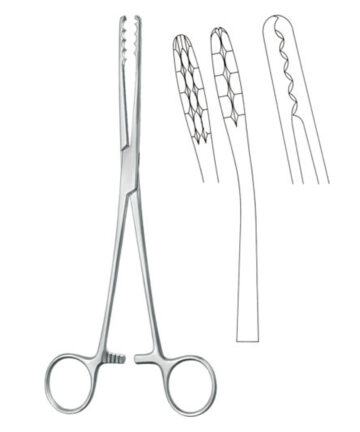
Cotton swab forceps , .Tampon forceps, acc. to UlriCh, curved
SKU:
BMI-1133
Curved Cotton Swab Forceps
- Material:
- High-quality stainless steel for durability and resistance to corrosion
- Design:
- Curved tips for enhanced visibility and access in confined spaces
- Serrated jaws to ensure a secure grip on cotton swabs or gauze
- Function:
- Ideal for handling cotton swabs, applying antiseptics, or manipulating soft tissue during procedures
- Length:
- Typically ranges from 15 cm to 20 cm
- Finish:
- Smooth or satin finish to minimize tissue adherence and improve handling
Curved Tampon Forceps
- Material:
- Stainless steel, designed for strength and longevity
- Design:
- Curved configuration to facilitate access to deeper or more confined areas
- Locking mechanism for secure closure when holding tampons or dressings
- Function:
- Primarily used for applying and securing tampons or dressings in surgical settings
- Length:
- Generally around 15 cm to 25 cm
- Finish:
- Polished or satin finish for enhanced visibility and ease of handling
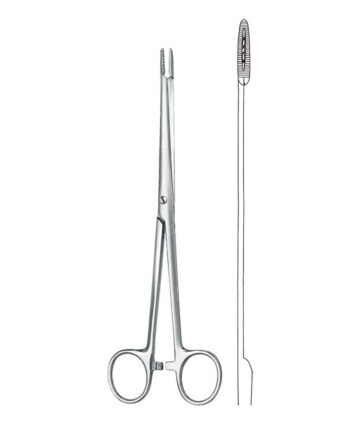
Cotton swab forceps , Dressing forceps, acc. to Martin, straight
SKU:
BMI-1134
Straight Cotton Swab Forceps
- Material:
- High-quality stainless steel for durability and corrosion resistance
- Design:
- Straight tips for easy access and manipulation
- Serrated jaws to provide a secure grip on cotton swabs or gauze
- Function:
- Ideal for handling cotton swabs, applying antiseptics, or manipulating soft tissue during various procedures
- Length:
- Typically ranges from 10 cm to 15 cm
- Finish:
- Smooth or satin finish to minimize tissue adherence and enhance handling
Straight Dressing Forceps
- Material:
- Stainless steel, ensuring strength and longevity
- Design:
- Straight configuration with broad, flat tips for holding dressings securely
- Often features serrated jaws for improved grip
- Function:
- Primarily used for grasping and applying dressings or gauze during surgical and wound care procedures
- Length:
- Generally around 12 cm to 20 cm
- Finish:
- Polished or satin finish for better visibility and ease of handling
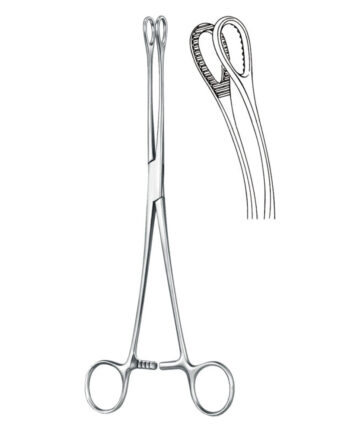
Cotton swab forceps , forceps, acc. to Foerster, serrated, curved
SKU:
BMI-1135
Curved Cotton Swab Forceps
- Material:
- High-quality stainless steel for durability and corrosion resistance
- Design:
- Curved tips for enhanced visibility and access in confined spaces
- Serrated jaws to ensure a secure grip on cotton swabs or gauze
- Function:
- Ideal for handling cotton swabs, applying antiseptics, or manipulating soft tissue during various procedures
- Length:
- Typically ranges from 15 cm to 20 cm
- Finish:
- Smooth or satin finish to minimize tissue adherence and improve handling
Serrated Curved Forceps
- Material:
- Stainless steel, designed for strength and longevity
- Design:
- Curved configuration to facilitate access to deeper or more confined areas
- Serrated jaws for secure grasping of tissues and other materials
- Function:
- Used for grasping, holding, or manipulating tissue in surgical procedures
- Length:
- Generally around 15 cm to 25 cm
- Finish:
- Polished or satin finish for enhanced visibility and handling
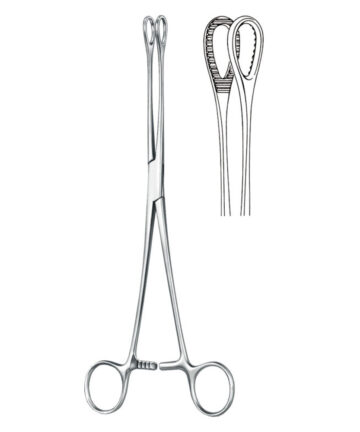
Cotton swab forceps , forceps, acc. to Foerster, serrated, straight
SKU:
BMI-1136
Straight Cotton Swab Forceps
- Material:
- High-quality stainless steel for durability and corrosion resistance
- Design:
- Straight tips for easy access and manipulation
- Serrated jaws to provide a secure grip on cotton swabs or gauze
- Function:
- Ideal for handling cotton swabs, applying antiseptics, or manipulating soft tissue during procedures
- Length:
- Typically ranges from 10 cm to 15 cm
- Finish:
- Smooth or satin finish to minimize tissue adherence and enhance handling
Serrated Straight Forceps
- Material:
- Stainless steel, designed for strength and long-term use
- Design:
- Straight configuration with serrated jaws for secure grasping of various materials
- Function:
- Used for grasping, holding, or manipulating tissue and other materials in surgical procedures
- Length:
- Generally around 12 cm to 20 cm
- Finish:
- Polished or satin finish for improved visibility and ease of handling
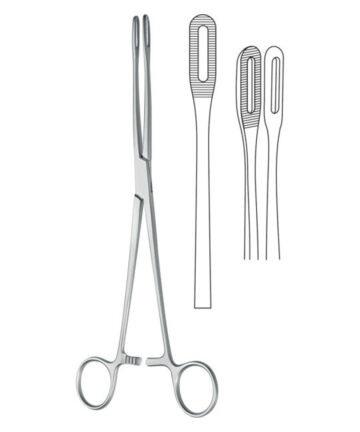
Cotton swab forceps , forceps, acc. to Foerster, slim, straight
SKU:
BMI-1137
Straight Cotton Swab Forceps
- Material:
- High-quality stainless steel for durability and corrosion resistance
- Design:
- Straight tips to enhance visibility and access in confined areas
- Smooth jaws for gentle handling of cotton swabs or gauze
- Function:
- Ideal for manipulating cotton swabs during procedures, applying antiseptics, or handling delicate tissues
- Length:
- Typically ranges from 15 cm to 20 cm
- Finish:
- Polished or smooth finish to minimize tissue adherence and ensure gentle contact
Straight Forceps
- Material:
- Stainless steel, designed for strength and resistance to repeated sterilization
- Design:
- Straight configuration to facilitate access in deeper or restricted areas
- Smooth jaws to reduce trauma to tissue during manipulation
- Function:
- Used for grasping, holding, or manipulating tissue in various surgical procedures
- Length:
- Generally around 15 cm to 25 cm
- Finish:
- Polished or smooth finish for optimal handling and visibility during use