
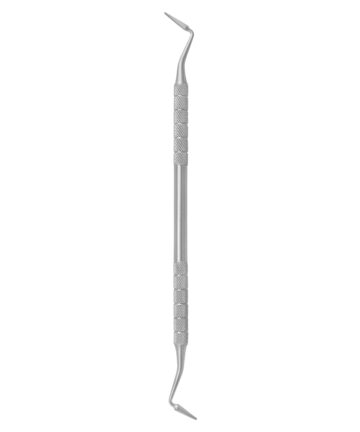
Mortonson
SKU:
BMI-1443
Material:
- Construction:
- Material: Typically made from stainless steel, ensuring durability, resistance to corrosion, and ease of sterilization.
- Design: The instrument features a quadruple-ended design, allowing for versatility in various dental applications.
Features:
- Quadruple-End Design:
- Each end is shaped differently, enabling the practitioner to use the instrument for multiple purposes without needing to switch tools frequently.
- The different ends may include various shapes suitable for carving, shaping, and contouring restorative materials.
- Ergonomic Handle: Designed for a comfortable grip, the handle facilitates ease of use and control during procedures, minimizing hand fatigue.
Applications:
- Commonly used in restorative dentistry for shaping and finishing dental materials, such as amalgam and composite resins.
- Ideal for creating anatomical details in restorations, ensuring a proper fit and aesthetic outcome.
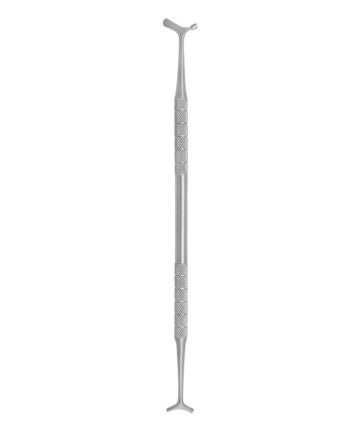
Cuadruple De Bennet
SKU:
BMI-1444
Material:
- Construction:
- Material: Typically made from stainless steel, ensuring durability, resistance to corrosion, and ease of sterilization.
- Design: The instrument features a quadruple-ended design, allowing for versatility in various dental applications.
Features:
- Quadruple-End Design:
- Each end is shaped differently, enabling the practitioner to use the instrument for multiple purposes without needing to switch tools frequently.
- The different ends may include various shapes suitable for carving, shaping, and contouring restorative materials.
- Ergonomic Handle: Designed for a comfortable grip, the handle facilitates ease of use and control during procedures, minimizing hand fatigue.
Applications:
- Commonly used in restorative dentistry for shaping and finishing dental materials, such as amalgam and composite resins.
- Ideal for creating anatomical details in restorations, ensuring a proper fit and aesthetic outcome.
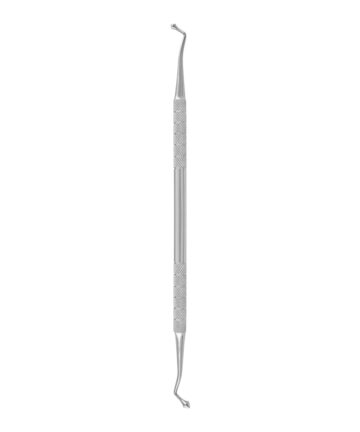
Wescott (21B)
SKU:
BMI-1445
Material:
- Construction:
- Material: Typically made from stainless steel, which provides durability, resistance to corrosion, and easy sterilization.
- Design: The instrument features a curved blade, specifically designed for effective cutting and shaping.
Features:
- Curved Blade: The design allows for precise maneuvering around the contours of teeth and restorations, facilitating detailed work in tight spaces.
- Sharp Edge: The cutting edge is finely honed to ensure clean cuts and efficient shaping of materials, reducing the need for excessive force.
- Ergonomic Handle: Designed for a comfortable grip, the handle allows for enhanced control and reduces hand fatigue during use.
Applications:
- Commonly used in restorative dentistry for shaping and finishing materials such as composite resins and amalgam.
- Effective for creating precise margins and contours in cavity preparations, helping to ensure proper fit and aesthetic outcomes.
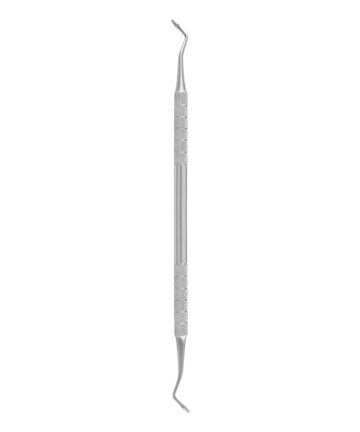
Hollenback (No.1)
SKU:
BMI-1446
Material:
- Construction:
- Material: Typically made from stainless steel, ensuring durability, corrosion resistance, and easy sterilization.
- Design: The carver features a dual-ended design, with each end shaped for specific carving functions.
Features:
- Dual-Ended Design:
- One End: Often has a pointed or angled end for detailed carving, allowing for precise adjustments and contouring of dental materials.
- Other End: Typically features a rounded or flat end for smoothing and shaping larger surfaces, providing versatility for various tasks.
- Ergonomic Handle: Designed for a comfortable grip, the handle minimizes hand fatigue and enhances control during use.
Applications:
- Commonly used in restorative dentistry for sculpting and refining the contours of dental materials during cavity preparations.
- Ideal for creating anatomical details in restorations, ensuring a better fit and aesthetic outcome.
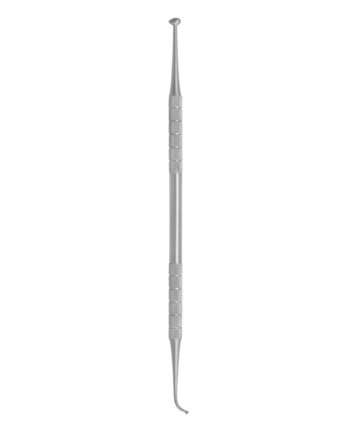
Brunisher (27-31 Egg+Small Ball End)
SKU:
BMI-1447
Material :
- Construction:
- Material: Typically made from stainless steel, providing durability, corrosion resistance, and ease of sterilization.
- Design: The instrument features a double-ended design, with one end shaped like an egg and the other a small ball end.
Features:
- Dual-Ended Design:
- Egg-Shaped End: The larger, rounded end is ideal for smoothing and polishing larger surface areas of restorations, helping achieve a smooth finish.
- Small Ball End: The smaller, rounded end is perfect for detailed work and accessing tight spaces, allowing for fine polishing and contouring.
- Ergonomic Handle: The handle is designed for a comfortable grip, facilitating control and reducing hand fatigue during extended use.
Applications:
- Commonly used in restorative dentistry to refine and polish the surfaces of dental materials such as amalgam and composites.
- Effective for both anterior and posterior restorations, improving the overall aesthetic and functional quality of dental work.
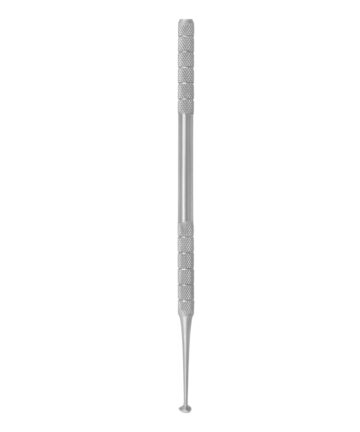
Brunisher (29-31 Double Eggs)
SKU:
BMI-1448
Material:
- Construction:
- Material: Typically made from stainless steel, ensuring durability, resistance to corrosion, and easy sterilization.
- Design: The instrument features a double-ended design with two egg-shaped working ends, each tailored for specific polishing tasks.
Features:
- Double-End Design:
- Two Egg-Shaped Ends: Each end has a distinct size or curvature, allowing for versatility when polishing different areas of a restoration.
- Smoothing Action: The rounded surfaces help achieve a smooth finish on dental materials, enhancing both aesthetics and comfort.
- Ergonomic Handle: The handle is designed for a comfortable grip, enabling better control and reducing hand fatigue during use.
Applications:
- Commonly used in restorative dentistry for refining the surfaces of amalgam, composite, and other dental materials after initial placement.
- Ideal for achieving a polished finish on both anterior and posterior restorations, improving their overall quality and longevity.
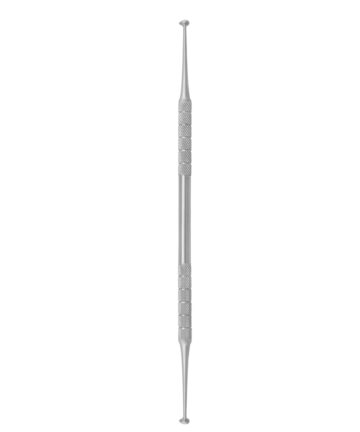
Brunisher (28-29 Double Eggs)
SKU:
BMI-1449
Material:
- Construction:
- Material: Typically made from stainless steel, which ensures durability, resistance to corrosion, and ease of sterilization.
- Design: The instrument features a double-ended design with two egg-shaped working ends, each suited for different polishing tasks.
Features:
- Double-End Design:
- Two Egg-Shaped Ends: Each end has a slightly different size or curvature, allowing for versatility in accessing various areas of a restoration.
- Smoothing and Polishing: The rounded surfaces help to smooth out any rough edges or surfaces on restorations, enhancing the aesthetic appearance and comfort.
- Ergonomic Handle: Designed for a comfortable grip, enabling better control and reducing hand fatigue during use.
Applications:
- Commonly used in restorative dentistry to refine the surfaces of dental materials after initial placement, ensuring a polished and smooth finish.
- Ideal for use on both anterior and posterior restorations, improving the overall quality and durability of dental work.
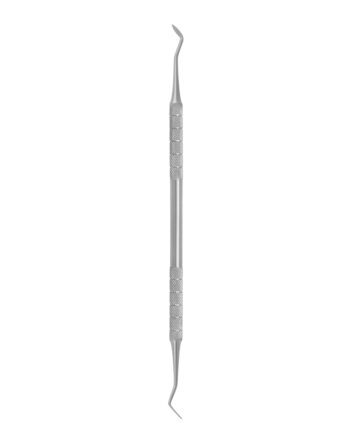
Hollenbeck (No.35)
SKU:
BMI-1450
Material :
- Construction:
- Material: Typically made from stainless steel, ensuring durability, corrosion resistance, and ease of sterilization.
- Design: The Hollenbeck carver features a dual-ended design, with each end shaped for specific carving functions.
Features:
- Dual-Ended Design:
- One End: Often features a rounded end for shaping and smoothing surfaces of dental materials like amalgam or composite resins.
- Other End: May have a pointed or angled end for detailed carving and contouring, allowing for fine adjustments and precision work.
- Ergonomic Handle: The handle is designed for comfortable grip and control, minimizing hand fatigue during extended use.
Applications:
- Commonly used in restorative dentistry for sculpting and refining the contours of dental restorations.
- Ideal for creating anatomical details and ensuring that restorations fit well within the cavity preparation.
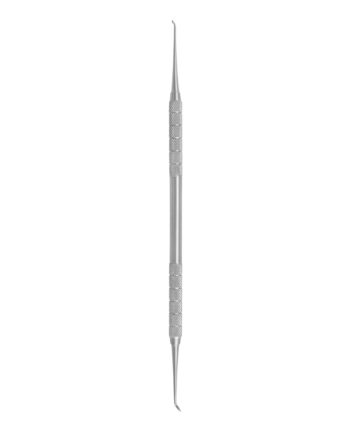
Cleoide Discode
SKU:
BMI-1451
Material:
- Construction:
- Material: Typically made from stainless steel, ensuring durability, corrosion resistance, and ease of sterilization.
- Design: The carver features a dual-ended design, with one end shaped like a cleoid (a pointed end) and the other shaped like a discoid (a flat, rounded end).
Features:
- Dual-Ended Design:
- Cleoid End: The pointed end is used for fine detail work, allowing for precise carving and shaping of dental materials.
- Discoid End: The flat, rounded end is ideal for shaping and smoothing surfaces, making it versatile for various carving tasks.
- Ergonomic Handle: Designed for a comfortable grip, the handle allows for better control during use, reducing hand fatigue.
Applications:
- Widely used in restorative dentistry for sculpting and refining the contours of dental materials in cavity preparations.
- Effective for creating anatomical details in restorations, ensuring a better fit and aesthetic outcome.