
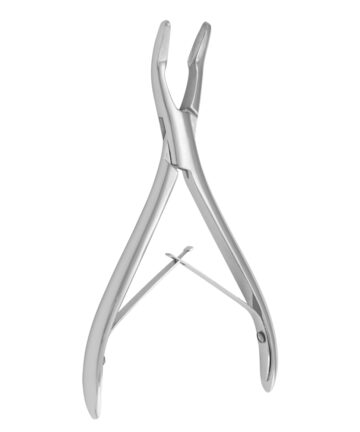
Bluementhal (13cm)
SKU:
BMI-1365
Blumenthal (13 cm)
Description:- The Blumenthal instrument is a specialized dental tool used primarily for the manipulation and application of dental materials.
- Length: 13 cm (approximately 5.1 inches), making it compact and easy to handle.
- Material: Typically crafted from stainless steel, ensuring durability and resistance to corrosion.
- Commonly used in various dental procedures, particularly in shaping, placing, or mixing materials like cements, waxes, and impression materials.
- Useful for contouring and refining restorations or cavity preparations.
- Double-Ended Design: Often features two different functional ends for versatile applications.
- Precision Tips: Tips may be pointed or spatula-shaped, allowing for both detailed manipulation and broader applications.
- Ergonomic Handle: Designed for a comfortable grip, facilitating control and reducing hand fatigue during extended use.
- Easy to clean and sterilize; suitable for autoclaving.
- Regularly inspect for signs of wear or damage to maintain optimal performance.
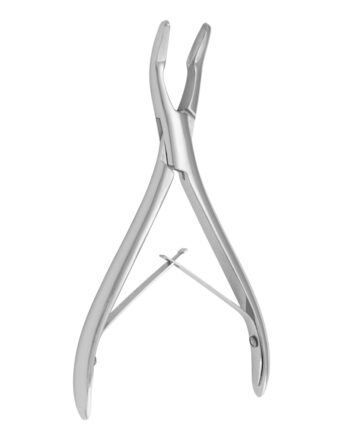
Mead (16cm)
SKU:
BMI-1366
Mead (16 cm)
Description:- A mead is a type of dental instrument used for various applications, often related to measurements or applications in oral procedures.
- Length: 16 cm (approximately 6.3 inches), making it a convenient size for handling and precision tasks.
- Material: Typically made of stainless steel or a durable metal to ensure longevity and resistance to corrosion.
- Commonly used in dental practices for measuring or manipulating materials.
- May also serve specific purposes in procedures requiring precision, such as in orthodontics or prosthodontics.
- Ergonomic Design: Often designed for a comfortable grip to minimize hand fatigue during use.
- Precision Tips: May have pointed or flat ends depending on the specific function, allowing for accurate application and measurement.
- Easy to clean and sterilize; suitable for autoclaving.
- Regular inspection is recommended to ensure optimal performance and to avoid any damage.
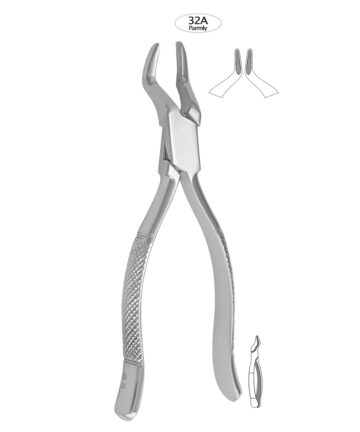
Upper Premolars & Molars
SKU:
BMI-1367
Upper Premolars and Molars:
Upper Premolars:- Location: Found in the upper jaw, between the canines and molars.
- Number: Typically 2 per quadrant (total of 8 in the upper arch).
- Function:
- Primarily designed for tearing and crushing food.
- Have a broader occlusal surface compared to canines.
- Anatomy:
- Two cusps (bicuspid) on the upper premolars.
- A central fissure and various grooves for effective food breakdown.
- Location: Located at the back of the upper jaw, following the premolars.
- Number: Typically 3 per quadrant (total of 12 in the upper arch), with the third molars being commonly referred to as wisdom teeth.
- Function:
- Primarily used for grinding and chewing food due to their large surface area.
- Anatomy:
- Generally have three or more cusps (tricuspid or more) with a complex occlusal surface.
- Features include multiple grooves, pits, and fissures to enhance grinding efficiency.
- Common Issues:
- Caries (cavities) are prevalent in both premolars and molars due to their grooves and pits.
- Periodontal disease can affect the health of supporting tissues.
- Treatment:
- Restorative procedures (fillings, crowns) are common for decay.
- Endodontic treatment may be necessary if the pulp becomes infected, especially in molars.
- Both premolars and molars are essential landmarks in dental radiographs for diagnosis and treatment planning.