Showing 229–240 of 314 resultsSorted by latest

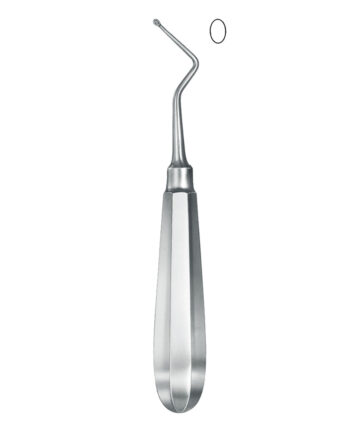
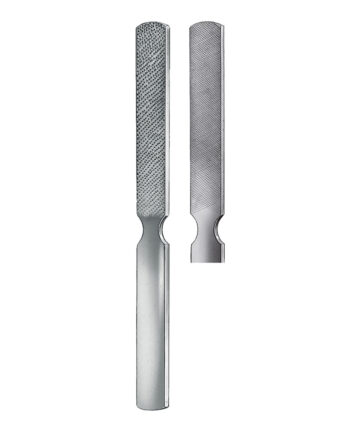
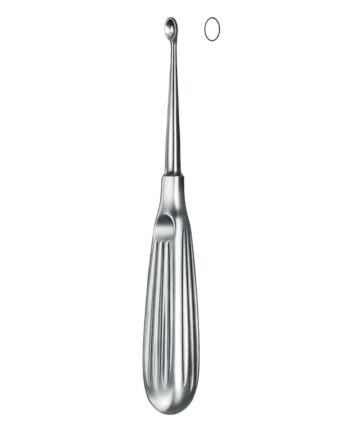
Bone surgery , Bone curette, acc. to Volkmann, with hollow Handle, oval

Volkmann Oval Bone Curette (Hollow Handle)

  • Purpose: Designed for scraping, debriding, and contouring bone and soft tissue during surgical procedures.
  • Design:
    • Features an oval-shaped blade that effectively removes bone fragments and allows for precise shaping of bone surfaces.
    • The blade is designed to provide a smooth, efficient cutting action while minimizing trauma to surrounding tissues.
  • Handle:
    • The hollow handle design makes the tool lightweight and easy to maneuver, reducing fatigue during prolonged use.
    • The handle may be textured or ergonomically shaped to ensure a comfortable and secure grip.
  • Material:
    • Constructed from high-quality stainless steel for durability and resistance to corrosion.
    • Often polished for easy cleaning and maintenance, ensuring longevity of the instrument.
  • Size:
    • Available in various lengths and blade sizes to accommodate different surgical needs and preferences.
  • Applications:
    • Commonly used in orthopedic and reconstructive surgeries, including procedures like joint debridement, osteotomies, and bone grafting.
  • Advantages:
    • The oval shape of the blade allows for optimal access to curved anatomical structures, enhancing the surgeon's ability to perform delicate tasks effectively.
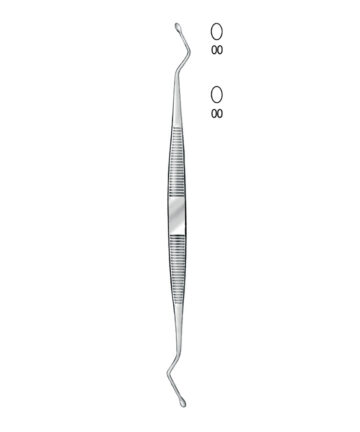
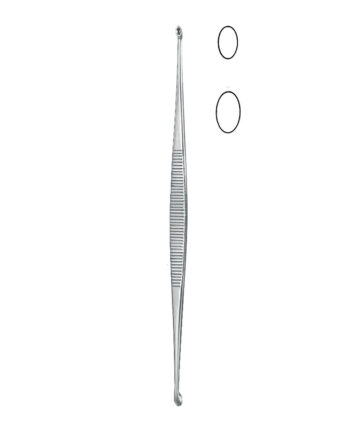
Bone surgery , Bone curette, acc. to Williger, oval

Williger Oval Bone Curette

  • Purpose: Designed for scraping and debriding bone and soft tissue during surgical procedures.
  • Design:
    • Features an oval-shaped blade that allows for effective removal of bone fragments and debris.
    • The oval shape helps in contouring bone surfaces and reaching curved anatomical areas.
  • Handle:
    • Typically equipped with a sturdy handle that ensures a secure and comfortable grip for precision during use.
    • The handle may have a textured surface or ergonomic design for enhanced control.
  • Material:
    • Made from high-quality stainless steel, providing strength, durability, and resistance to corrosion.
    • Often polished for easy cleaning and maintenance.
  • Size:
    • Available in various lengths and blade widths to accommodate different surgical needs and preferences.
  • Applications:
    • Commonly used in orthopedic surgeries for procedures such as joint debridement, osteochondral repairs, and bone grafting.
  • Advantages:
    • The oval blade design allows for optimal access and maneuverability in complex surgical fields, facilitating precise bone and tissue management.

Bone surgery , Bone curette, acc. to Williger

Bone Curette (Model USA, Hollow Handle, Oval, Left Angled)

  • Purpose: Designed for scraping and debriding bone and soft tissue during surgical procedures.
  • Design:
    • Features an oval-shaped blade that allows for effective tissue removal and bone contouring.
    • Left-angled design facilitates access to areas that are difficult to reach, enhancing surgical precision.
  • Handle:
    • Hollow handle design provides a lightweight yet sturdy tool, allowing for easy maneuverability during procedures.
    • The handle may be textured for improved grip and control.
  • Material:
    • Constructed from high-quality stainless steel to ensure durability and resistance to corrosion.
    • Polished finish for easy cleaning and maintenance.
  • Size:
    • Available in various lengths and blade sizes to accommodate different surgical needs and preferences.
  • Applications:
    • Commonly used in orthopedic surgeries, particularly in procedures involving joint debridement, osteochondral defects, and other bone-related interventions.
  • Advantages:
    • The left-angled design allows for optimal access to specific anatomical sites, improving the surgeon's ability to perform delicate procedures.
These features make this bone curette an essential instrument for orthopedic surgeons, providing precision and effectiveness in bone and tissue management during surgery.
4o mini
You said:
Bone surgery , Bone curette, acc. to Williger
ChatGPT said:
ChatGPT
Here’s a description of a bone curette according to Williger:

Williger Bone Curette

  • Purpose: Designed for the scraping and debridement of bone and soft tissue during surgical procedures.
  • Design:
    • Typically features a scoop-shaped blade that effectively removes bone fragments and debris.
    • May come in various shapes and sizes, allowing for versatility in different surgical contexts.
  • Handle:
    • Usually constructed with a sturdy handle that provides a comfortable grip for precision control.
    • Some models may have a textured or ergonomic design to enhance user comfort.
  • Material:
    • Made from high-quality stainless steel, ensuring durability, strength, and resistance to corrosion.
    • Often polished for easy cleaning and maintenance.
  • Size:
    • Available in multiple lengths and diameters to cater to different surgical needs and preferences.
  • Applications:
    • Commonly used in orthopedic and reconstructive surgeries for procedures such as joint debridement, osteotomy, and bone grafting.
  • Advantages:
    • The design allows for effective access to various anatomical areas, promoting precision in bone and tissue management.

Bone surgery , Bone curette, model USA, with hollow Handle, oval, left angled

Bone Curette (Model USA, Hollow Handle, Oval, Left Angled)

  • Purpose: Designed for scraping and debriding bone and soft tissue during surgical procedures.
  • Design:
    • Features an oval-shaped blade that allows for effective tissue removal and bone contouring.
    • Left-angled design facilitates access to areas that are difficult to reach, enhancing surgical precision.
  • Handle:
    • Hollow handle design provides a lightweight yet sturdy tool, allowing for easy maneuverability during procedures.
    • The handle may be textured for improved grip and control.
  • Material:
    • Constructed from high-quality stainless steel to ensure durability and resistance to corrosion.
    • Polished finish for easy cleaning and maintenance.
  • Size:
    • Available in various lengths and blade sizes to accommodate different surgical needs and preferences.
  • Applications:
    • Commonly used in orthopedic surgeries, particularly in procedures involving joint debridement, osteochondral defects, and other bone-related interventions.
  • Advantages:
    • The left-angled design allows for optimal access to specific anatomical sites, improving the surgeon's ability to perform delicate procedures.

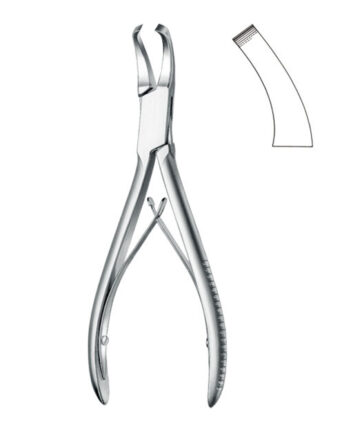
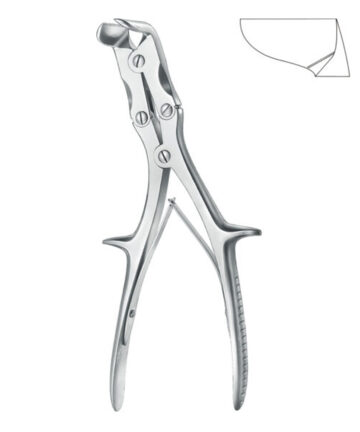
Bone surgery , Bone cutting forceps, acc. to Boehler, curved

Boehler Curved Bone Cutting Forceps

  • Purpose: Designed for cutting and shaping bone in various orthopedic surgical procedures.
  • Design:
    • Features a curved jaw design that allows for enhanced access to intricate anatomical areas.
    • Jaws are typically sharp and may have a serrated edge for effective cutting through bone.
  • Material:
    • Made from high-quality stainless steel, ensuring durability and resistance to corrosion.
    • Often has a polished finish for ease of cleaning and maintenance.
  • Size:
    • Available in various lengths and curve angles to suit different surgical needs and preferences.
  • Mechanism:
    • Non-locking design enables continuous cutting action, allowing the surgeon to maintain control over the procedure.
  • Applications:
    • Commonly used in orthopedic surgeries such as osteotomies, fracture repairs, and other procedures requiring precise bone manipulation.
  • Advantages:
    • The curved design enhances visibility and access, making it easier to navigate around bones and surrounding tissues in complex surgical fields.

Bone surgery , Bone cutting forceps, acc. to Cleveland, curved

Cleveland Curved Bone Cutting Forceps

  • Purpose: Specifically designed for cutting and shaping bone in orthopedic surgeries.
  • Design:
    • Features a curved jaw design, which allows for better access to difficult-to-reach areas during surgery.
    • The jaws are sharp and serrated to facilitate effective bone cutting.
  • Material:
    • Constructed from high-quality stainless steel for strength and durability.
    • Often has a polished or matte finish to resist corrosion and enhance grip.
  • Size:
    • Available in various lengths and curvature degrees to suit different surgical requirements.
  • Mechanism:
    • Typically non-locking, enabling continuous cutting action and precise control by the surgeon.
  • Applications:
    • Commonly used in orthopedic procedures such as osteotomies, fracture repairs, and other interventions requiring bone manipulation.
  • Advantages:
    • The curved design allows for enhanced visibility and access in confined surgical spaces, making it easier to navigate complex anatomical structures.

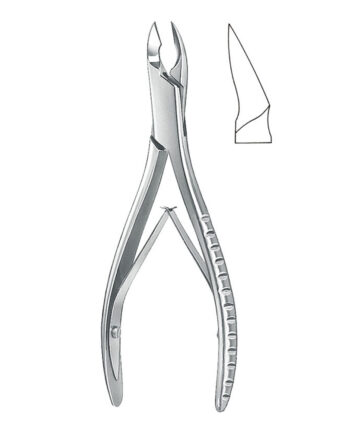
Bone surgery , Bone cutting forceps, acc. to Cleveland

Cleveland Bone Cutting Forceps

  • Purpose: Designed for cutting and shaping bone during various orthopedic surgical procedures.
  • Design:
    • Features a strong scissor-like structure with a robust hinge for optimal leverage.
    • The jaws are typically angled or curved, with sharp cutting edges to facilitate precise bone cutting.
  • Material:
    • Made from high-quality stainless steel for durability and resistance to corrosion.
    • Often finished with a polished surface for easy cleaning and maintenance.
  • Size:
    • Available in various lengths and jaw sizes to accommodate different surgical needs and anatomical considerations.
  • Mechanism:
    • Non-locking design allows for continuous control of cutting pressure, providing flexibility during use.
  • Applications:
    • Commonly used in orthopedic surgeries for procedures such as osteotomies, fracture repairs, and other bone manipulations.
  • Variations:
    • May include straight or curved configurations to enhance access and maneuverability in different surgical scenarios.

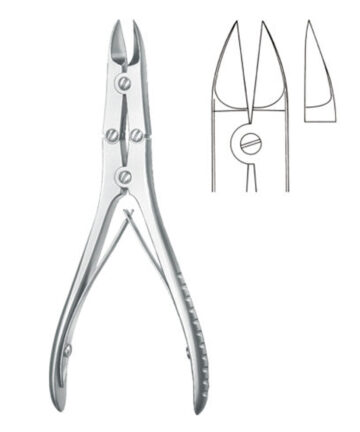
Bone surgery , Bone cutting forceps, acc. to Semb

Semb Bone Cutting Forceps

  • Purpose: Specifically designed for cutting and shaping bone during orthopedic surgical procedures.
  • Design:
    • Features a robust scissor-like structure for effective leverage and cutting capability.
    • Typically includes tapered jaws with sharp, serrated edges for precise bone cutting.
  • Material:
    • Constructed from high-quality stainless steel for durability and resistance to corrosion.
    • Often has a polished or matte finish to enhance grip and facilitate cleaning.
  • Size:
    • Available in various lengths to accommodate different surgical requirements and access points.
  • Mechanism:
    • Usually designed as non-locking, allowing for a smooth and continuous cutting action while maintaining control.
  • Applications:
    • Commonly utilized in orthopedic procedures such as fracture repair, osteotomies, and resection of bone.
  • Variations:
    • May come in different configurations, including straight or slightly curved jaws, to suit specific surgical techniques and access needs.

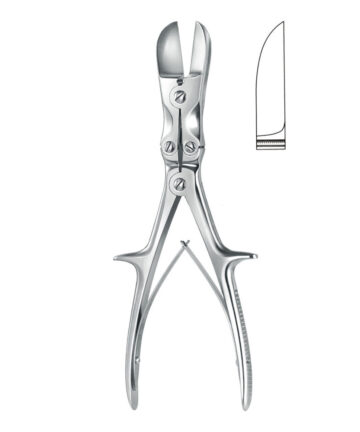
Bone surgery , Bone cutting forceps, acc. to Stille-Liston

Stille-Liston Bone Cutting Forceps

  • Purpose: Designed for cutting and trimming bone during surgical procedures.
  • Design:
    • Features a scissor-like mechanism for enhanced leverage and control.
    • Jaws are typically tapered with sharp cutting edges for effective bone cutting.
  • Material:
    • Made from high-quality stainless steel for durability and resistance to corrosion.
    • Often has a polished finish for ease of cleaning.
  • Size:
    • Available in various sizes to suit different surgical applications and patient anatomies.
  • Mechanism:
    • Non-locking design allows for smooth and continuous cutting motion, providing the surgeon with the flexibility to control force and precision.
  • Applications:
    • Commonly used in orthopedic surgeries for procedures involving bone resection, fracture repair, and osteotomies.
  • Variations:
    • May include straight or curved jaws to accommodate various surgical approaches and access points.

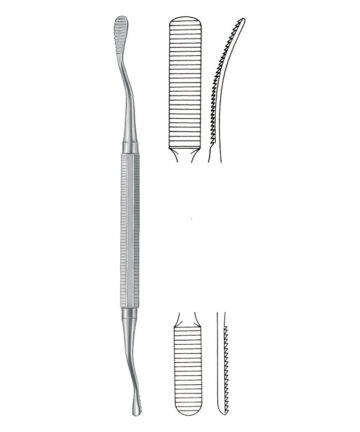
Bone surgery , Bone file, acc. to Miller-Colburn

Miller-Colburn Bone File

  • Purpose: Specifically designed for smoothing and shaping bone surfaces during surgical procedures.
  • Design:
    • Features a flat or slightly curved profile for versatility in use.
    • Often has a double-sided design, with one side finely serrated and the other more coarse.
  • Material:
    • Constructed from high-grade stainless steel to ensure durability and resistance to corrosion.
    • Polished surface for easy cleaning and maintenance.
  • Size:
    • Available in various lengths and widths to accommodate different surgical needs and anatomical areas.
  • Surface:
    • The serration pattern on the filing surfaces enhances the effectiveness of bone removal while allowing for precision in shaping.
  • Applications:
    • Widely used in orthopedic surgeries, particularly for refining bone edges during procedures like fracture fixation or arthroplasty.
  • Variations:
    • Can be found in different shapes, such as straight or slightly curved, to provide access to various anatomical sites.

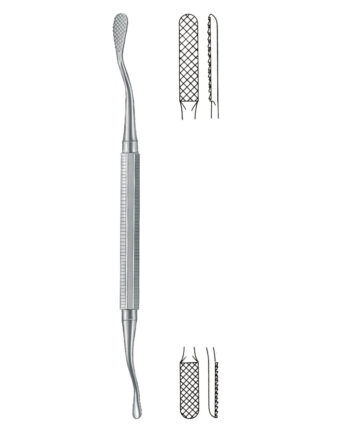
Bone surgery , Bone file, cross serration

Cross-Serrated Bone File

  • Purpose: Designed for shaping and smoothing bone surfaces while providing an effective grip on hard tissue.
  • Design:
    • Features a flat, elongated body with cross-serrated edges to enhance cutting efficiency.
    • Typically equipped with a handle for improved control during use.
  • Material:
    • Made from high-quality stainless steel or carbon steel for strength and durability.
    • Often has a polished finish for ease of cleaning and resistance to corrosion.
  • Size:
    • Available in various lengths and widths to suit different surgical applications and preferences.
  • Surface:
    • The cross-serration pattern increases the surface area for filing, allowing for effective removal of bone material while minimizing debris.
  • Applications:
    • Commonly used in orthopedic surgeries, particularly for shaping and refining bone edges during procedures like osteotomies or fracture repairs.
  • Variations:
    • May come in different shapes (e.g., curved or angled) to accommodate various surgical approaches and anatomical areas.

Bone surgery , Bone file, flat

Flat Bone File

  • Purpose: Used to smooth and contour bone surfaces during surgical procedures.
  • Design:
    • Flat, elongated shape with a straight edge for precise filing.
    • Usually features a handle for easy maneuvering and control.
  • Material:
    • Typically made from stainless steel or high-carbon steel for durability and strength.
    • May have a textured or coarse surface to enhance the filing process.
  • Size:
    • Available in various lengths and widths to accommodate different surgical needs.
  • Surface:
    • One or both sides may have a rough texture (coarse) for aggressive filing, while other sides may be smoother for finer finishing.
  • Applications:
    • Commonly used in orthopedic and reconstructive surgeries to refine bone edges and promote proper healing.
  • Variations:
    • May come in different shapes (e.g., curved or angled) for specific applications and access to various anatomical sites.