
Showing 109–120 of 419 resultsSorted by latest

Upper Premolars

Upper Premolars:

  • Endodontic Files
    • Material: Stainless steel or nickel-titanium
    • Features: Flexible, tapered designs for cleaning and shaping root canals in premolars; various sizes for different canal systems.
  • Reamers
    • Material: Stainless steel or nickel-titanium
    • Features: Used for enlarging root canals; available in different tapers and lengths to accommodate various tooth anatomies.
  • Irrigation Needles
    • Material: Stainless steel or plastic
    • Features: Long, thin tips designed for delivering irrigants to flush out debris from the root canal.
  • Paper Points
    • Material: Absorbent paper
    • Features: Utilized for drying root canals after irrigation; come in various sizes to fit different canal widths.
  • Gutta-Percha Points
    • Material: Gutta-percha (natural latex material)
    • Features: Biocompatible filling material for root canals; radiopaque for easier X-ray visibility.
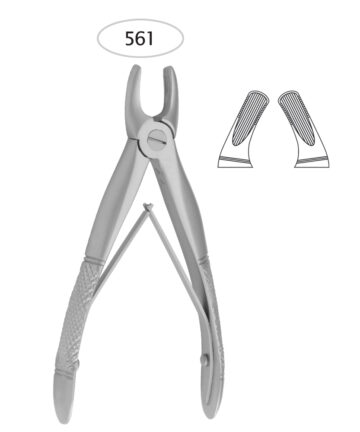
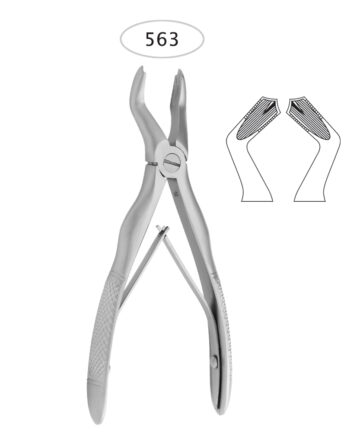
  • Dental Forceps
    • Material: Stainless steel
    • Features: Specifically shaped for extracting upper premolars; curved beaks for effective grip and leverage.
  • Elevators
    • Material: Stainless steel
    • Features: Used to loosen teeth prior to extraction; specific designs help access upper premolar roots effectively.
  • Composite Instruments
    • Material: Stainless steel or plastic
    • Features: Used for placing and shaping composite materials in restorations; includes spatulas and condensers.
  • Matrix Bands
    • Material: Thin stainless steel or plastic
    • Features: Flexible bands for creating temporary walls during restorations; critical for achieving proper contours.

Additional Notes

  • Instruments are designed for sterility and often autoclavable.
  • Ergonomic handles enhance comfort and control during intricate procedures, especially in the upper arch.

Upper Premolars

Upper Premolars:

  • Endodontic Files
    • Material: Stainless steel or nickel-titanium
    • Features: Flexible, tapered designs for cleaning and shaping root canals in premolars; various sizes for different canal systems.
  • Reamers
    • Material: Stainless steel or nickel-titanium
    • Features: Used for enlarging root canals; available in different tapers and lengths to accommodate various tooth anatomies.
  • Irrigation Needles
    • Material: Stainless steel or plastic
    • Features: Long, thin tips designed for delivering irrigants to flush out debris from the root canal.
  • Paper Points
    • Material: Absorbent paper
    • Features: Utilized for drying root canals after irrigation; come in various sizes to fit different canal widths.
  • Gutta-Percha Points
    • Material: Gutta-percha (natural latex material)
    • Features: Biocompatible filling material for root canals; radiopaque for easier X-ray visibility.
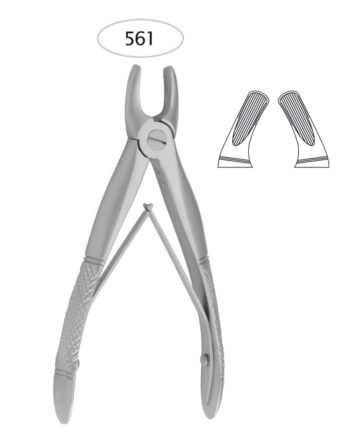
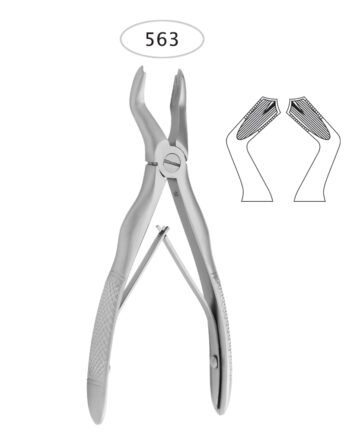
  • Dental Forceps
    • Material: Stainless steel
    • Features: Specifically shaped for extracting upper premolars; curved beaks for effective grip and leverage.
  • Elevators
    • Material: Stainless steel
    • Features: Used to loosen teeth prior to extraction; specific designs help access upper premolar roots effectively.
  • Composite Instruments
    • Material: Stainless steel or plastic
    • Features: Used for placing and shaping composite materials in restorations; includes spatulas and condensers.
  • Matrix Bands
    • Material: Thin stainless steel or plastic
    • Features: Flexible bands for creating temporary walls during restorations; critical for achieving proper contours.

Additional Notes

  • Instruments are designed for sterility and often autoclavable.
  • Ergonomic handles enhance comfort and control during intricate procedures, especially in the upper arch.

Upper Roots

Upper Roots:

  • Endodontic Files
    • Material: Stainless steel or nickel-titanium
    • Features: Flexible and tapered for cleaning and shaping the root canal; various sizes and shapes.
  • Reamers
    • Material: Stainless steel or nickel-titanium
    • Features: Designed for enlarging root canals; come in different taper and lengths.
  • Irrigation Needles
    • Material: Stainless steel or plastic
    • Features: Long, thin tips for delivering irrigants to flush debris from the root canal.
  • Paper Points
    • Material: Absorbent paper
    • Features: Used for drying root canals after cleaning and irrigation; come in various sizes.
  • Gutta-Percha Points
    • Material: Gutta-percha (natural latex material)
    • Features: Used for filling the cleaned root canal; biocompatible and radiopaque.
  • Dental X-ray Film or Sensors
    • Material: Photographic film or digital sensors
    • Features: Used to assess root anatomy and monitor treatment progress; essential for diagnosis.
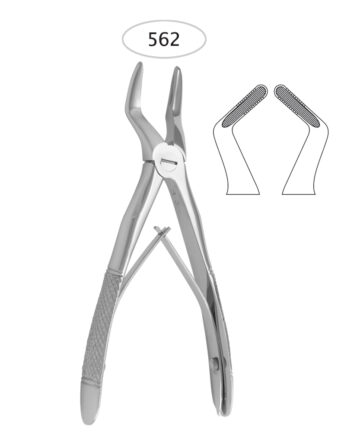
  • Extraction Forceps
    • Material: Stainless steel
    • Features: Designed specifically for upper molar and premolar extraction; curved beaks for effective gripping.
  • Elevators
    • Material: Stainless steel
    • Features: Utilized for loosening teeth before extraction; specific shapes for access to upper roots.

Additional Notes

  • Instruments are often autoclavable for hygiene.
  • Ergonomic designs enhance usability during intricate procedures, especially in the confined space of the upper jaw.

Upper Roots

Upper Roots:

  • Endodontic Files
    • Material: Stainless steel or nickel-titanium
    • Features: Flexible and tapered for cleaning and shaping the root canal; various sizes and shapes.
  • Reamers
    • Material: Stainless steel or nickel-titanium
    • Features: Designed for enlarging root canals; come in different taper and lengths.
  • Irrigation Needles
    • Material: Stainless steel or plastic
    • Features: Long, thin tips for delivering irrigants to flush debris from the root canal.
  • Paper Points
    • Material: Absorbent paper
    • Features: Used for drying root canals after cleaning and irrigation; come in various sizes.
  • Gutta-Percha Points
    • Material: Gutta-percha (natural latex material)
    • Features: Used for filling the cleaned root canal; biocompatible and radiopaque.
  • Dental X-ray Film or Sensors
    • Material: Photographic film or digital sensors
    • Features: Used to assess root anatomy and monitor treatment progress; essential for diagnosis.
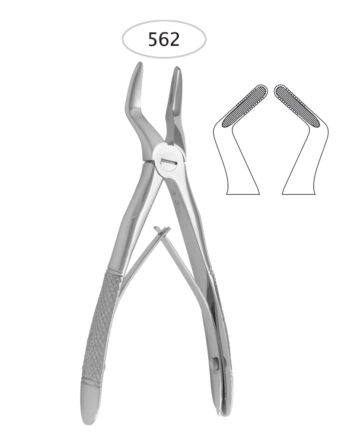
  • Extraction Forceps
    • Material: Stainless steel
    • Features: Designed specifically for upper molar and premolar extraction; curved beaks for effective gripping.
  • Elevators
    • Material: Stainless steel
    • Features: Utilized for loosening teeth before extraction; specific shapes for access to upper roots.

Additional Notes

  • Instruments are often autoclavable for hygiene.
  • Ergonomic designs enhance usability during intricate procedures, especially in the confined space of the upper jaw.

Upper Molares

Upper Molars:

  • Elevators
    • Material: Stainless steel or titanium
    • Features: Sharp, tapered tips for loosening teeth, angled handles for improved leverage.
  • Forceps
    • Material: Stainless steel, often with a rubberized grip
    • Features: Curved beaks designed for gripping molars, various shapes for different tooth positions.
  • Scalers and Curettes
    • Material: Stainless steel or resin-coated for enhanced durability
    • Features: Thin, pointed tips for plaque and calculus removal, ergonomic handles.
  • Burs
    • Material: Carbide or diamond-coated steel
    • Features: Various shapes and sizes for cavity preparation and finishing; high durability.
  • Amalgam Carriers
    • Material: Stainless steel
    • Features: Hollow tips for carrying and delivering amalgam, often autoclavable.
  • Matrix Bands
    • Material: Thin stainless steel or plastic
    • Features: Flexible for contouring around molars, used for creating a temporary wall during restorations.
  • Rubber Dam Kits
    • Material: Latex or non-latex rubber
    • Features: Isolation of the tooth area, prevents moisture contamination during procedures.

Additional Notes

  • Instruments are typically autoclavable for sterilization.
  • Ergonomic designs are common to enhance clinician comfort during procedures.

Upper Molares

Upper Molars:

  • Elevators
    • Material: Stainless steel or titanium
    • Features: Sharp, tapered tips for loosening teeth, angled handles for improved leverage.
  • Forceps
    • Material: Stainless steel, often with a rubberized grip
    • Features: Curved beaks designed for gripping molars, various shapes for different tooth positions.
  • Scalers and Curettes
    • Material: Stainless steel or resin-coated for enhanced durability
    • Features: Thin, pointed tips for plaque and calculus removal, ergonomic handles.
  • Burs
    • Material: Carbide or diamond-coated steel
    • Features: Various shapes and sizes for cavity preparation and finishing; high durability.
  • Amalgam Carriers
    • Material: Stainless steel
    • Features: Hollow tips for carrying and delivering amalgam, often autoclavable.
  • Matrix Bands
    • Material: Thin stainless steel or plastic
    • Features: Flexible for contouring around molars, used for creating a temporary wall during restorations.
  • Rubber Dam Kits
    • Material: Latex or non-latex rubber
    • Features: Isolation of the tooth area, prevents moisture contamination during procedures.

Additional Notes

  • Instruments are typically autoclavable for sterilization.
  • Ergonomic designs are common to enhance clinician comfort during procedures.

Lower Roots

Lower Roots:

Description:
  • Lower roots refer to the root structures of teeth located in the lower jaw (mandible), providing anchorage and support for the teeth. They are critical for the stability and functionality of lower teeth, especially molars and premolars.
Characteristics:
  • Number: Each tooth typically has one to three roots, depending on the type of tooth. For example, lower molars usually have two or three roots.
  • Shape: Roots are conical or flattened, tapering toward the apex (tip) and are embedded in the alveolar bone.
  • Length: Root length varies by tooth type, with molar roots being generally longer and more complex than those of incisors.
Anatomy:
  • Root Canal: The interior space within the root that contains the pulp (nerves and blood vessels).
  • Cementum: A bone-like tissue covering the root, aiding in attachment to the periodontal ligament.
  • Periodontal Ligament: A connective tissue that anchors the tooth roots to the jawbone, allowing for slight movement during chewing.
Function:
  • Anchorage: Roots anchor the teeth securely in the jawbone, providing stability for chewing and biting.
  • Support: They help distribute forces generated during chewing across the jawbone, reducing stress on the teeth and surrounding structures.
Common Dental Considerations:
  • Infection: Root infections can occur, leading to pain and the need for root canal treatment.
  • Periodontal Disease: Gum disease can lead to root exposure and loss of bone support, potentially resulting in tooth loss.
  • Fractures: Roots can fracture due to trauma or excessive force, which may require surgical intervention.
Care:
  • Maintaining good oral hygiene through regular brushing, flossing, and dental check-ups is crucial for the health of lower roots. This helps prevent periodontal disease and other issues that can compromise root integrity and overall dental health.

Lower Roots

Lower Roots:

Description:
  • Lower roots refer to the root structures of teeth located in the lower jaw (mandible), providing anchorage and support for the teeth. They are critical for the stability and functionality of lower teeth, especially molars and premolars.
Characteristics:
  • Number: Each tooth typically has one to three roots, depending on the type of tooth. For example, lower molars usually have two or three roots.
  • Shape: Roots are conical or flattened, tapering toward the apex (tip) and are embedded in the alveolar bone.
  • Length: Root length varies by tooth type, with molar roots being generally longer and more complex than those of incisors.
Anatomy:
  • Root Canal: The interior space within the root that contains the pulp (nerves and blood vessels).
  • Cementum: A bone-like tissue covering the root, aiding in attachment to the periodontal ligament.
  • Periodontal Ligament: A connective tissue that anchors the tooth roots to the jawbone, allowing for slight movement during chewing.
Function:
  • Anchorage: Roots anchor the teeth securely in the jawbone, providing stability for chewing and biting.
  • Support: They help distribute forces generated during chewing across the jawbone, reducing stress on the teeth and surrounding structures.
Common Dental Considerations:
  • Infection: Root infections can occur, leading to pain and the need for root canal treatment.
  • Periodontal Disease: Gum disease can lead to root exposure and loss of bone support, potentially resulting in tooth loss.
  • Fractures: Roots can fracture due to trauma or excessive force, which may require surgical intervention.
Care:
  • Maintaining good oral hygiene through regular brushing, flossing, and dental check-ups is crucial for the health of lower roots. This helps prevent periodontal disease and other issues that can compromise root integrity and overall dental health.

Lower Molares

Lower Molars:

Description:
  • Lower molars are the large, flat teeth located in the back of the lower jaw (mandible) and are crucial for grinding and chewing food.
Characteristics:
  • Number: There are typically six lower molars: two on each side of the jaw (first, second, and third molars, commonly known as wisdom teeth).
  • Shape: These teeth have broad, flat surfaces with multiple cusps designed for grinding food.
  • Size: Lower molars are generally larger than lower incisors and can vary in size, with the first molar usually being the largest.
Anatomy:
  • Enamel: The hard outer layer that protects the tooth.
  • Dentin: The layer beneath the enamel, providing strength and structure.
  • Pulp Chamber: Contains nerves and blood vessels, supplying the tooth.
  • Roots: Lower molars typically have two or three roots that anchor them in the jawbone.
Function:
  • Grinding Food: Lower molars are primarily responsible for crushing and grinding food during chewing, aiding in digestion.
  • Stabilizing Bite: They help maintain the alignment of the bite and support the overall structure of the dental arch.
Common Dental Considerations:
  • Cavities: Lower molars are prone to cavities due to their grooves and pits, which can trap food and bacteria.
  • Wisdom Teeth Issues: The third molars (wisdom teeth) often require extraction due to crowding or impaction.
  • Root Canals: Molars may require root canal treatment if the pulp becomes infected.
Care:
  • Regular brushing, flossing, and dental check-ups are essential to maintain the health of lower molars and prevent dental issues. Proper oral hygiene practices can help avoid cavities and other complications associated with these teeth.

Lower Molares

Lower Molars:

Description:
  • Lower molars are the large, flat teeth located in the back of the lower jaw (mandible) and are crucial for grinding and chewing food.
Characteristics:
  • Number: There are typically six lower molars: two on each side of the jaw (first, second, and third molars, commonly known as wisdom teeth).
  • Shape: These teeth have broad, flat surfaces with multiple cusps designed for grinding food.
  • Size: Lower molars are generally larger than lower incisors and can vary in size, with the first molar usually being the largest.
Anatomy:
  • Enamel: The hard outer layer that protects the tooth.
  • Dentin: The layer beneath the enamel, providing strength and structure.
  • Pulp Chamber: Contains nerves and blood vessels, supplying the tooth.
  • Roots: Lower molars typically have two or three roots that anchor them in the jawbone.
Function:
  • Grinding Food: Lower molars are primarily responsible for crushing and grinding food during chewing, aiding in digestion.
  • Stabilizing Bite: They help maintain the alignment of the bite and support the overall structure of the dental arch.
Common Dental Considerations:
  • Cavities: Lower molars are prone to cavities due to their grooves and pits, which can trap food and bacteria.
  • Wisdom Teeth Issues: The third molars (wisdom teeth) often require extraction due to crowding or impaction.
  • Root Canals: Molars may require root canal treatment if the pulp becomes infected.
Care:
  • Regular brushing, flossing, and dental check-ups are essential to maintain the health of lower molars and prevent dental issues. Proper oral hygiene practices can help avoid cavities and other complications associated with these teeth.

Lower Incisors

Lower Incisors

Description:
  • Lower incisors refer to the front teeth located in the lower jaw (mandible), specifically the two central incisors and the two lateral incisors. They play a critical role in biting and cutting food.
Characteristics:
  • Number: There are four lower incisors—two central incisors and two lateral incisors.
  • Shape: These teeth have a thin, flat shape with a sharp edge designed for slicing food.
  • Size: Central incisors are usually larger than lateral incisors.
Anatomy:
  • Enamel: The outer layer that protects the tooth.
  • Dentin: The layer beneath the enamel that provides structure and support.
  • Pulp Chamber: Contains the nerve and blood supply of the tooth.
Function:
  • Biting: Lower incisors are primarily responsible for cutting food during the initial stages of chewing.
  • Aesthetic Role: They contribute to the overall appearance of the smile and facial structure.
Common Dental Considerations:
  • Cavities: Lower incisors are susceptible to decay if proper oral hygiene is not maintained.
  • Alignment Issues: Malocclusion or misalignment can occur, affecting bite and aesthetics.
  • Restorative Needs: May require treatments such as fillings, crowns, or orthodontic interventions if damaged or misaligned.
Care:
  • Regular brushing, flossing, and dental check-ups are essential to maintain the health of lower incisors and prevent dental issues.
Lower Incisors

Lower Incisors

Description:
  • Lower incisors refer to the front teeth located in the lower jaw (mandible), specifically the two central incisors and the two lateral incisors. They play a critical role in biting and cutting food.
Characteristics:
  • Number: There are four lower incisors—two central incisors and two lateral incisors.
  • Shape: These teeth have a thin, flat shape with a sharp edge designed for slicing food.
  • Size: Central incisors are usually larger than lateral incisors.
Anatomy:
  • Enamel: The outer layer that protects the tooth.
  • Dentin: The layer beneath the enamel that provides structure and support.
  • Pulp Chamber: Contains the nerve and blood supply of the tooth.
Function:
  • Biting: Lower incisors are primarily responsible for cutting food during the initial stages of chewing.
  • Aesthetic Role: They contribute to the overall appearance of the smile and facial structure.
Common Dental Considerations:
  • Cavities: Lower incisors are susceptible to decay if proper oral hygiene is not maintained.
  • Alignment Issues: Malocclusion or misalignment can occur, affecting bite and aesthetics.
  • Restorative Needs: May require treatments such as fillings, crowns, or orthodontic interventions if damaged or misaligned.
Care:
  • Regular brushing, flossing, and dental check-ups are essential to maintain the health of lower incisors and prevent dental issues.