
Dental Instruments
- All products
- Surgical Instruments313 products
- Aneasthesia12 products
- Artery Forceps41 products
- Asepsis5 products
- Bone Surgery30 products
- Cotton Swab Forceps13 products
- Diagnostics6 products
- Dressing19 products
- Forceps21 products
- Measuring7 products
- Miscellaneous Products14 products
- Probes11 products
- Retractors21 products
- Scalpels18 products
- Scissors25 products
- Suture23 products
- Trocars30 products
- Dental Instruments419 products
- Applicator & Amalgame Carriers6 products
- Articulators12 products
- Bone Files3 products
- Caliper Gauges4 products
- Cotton Holder2 products
- Crown Remover2 products
- Curettes2 products
- Dissecting Kit With 13 Instruments14 products
- Espatulas3 products
- Excavators4 products
- Explorers Probes & Endodonticos Excavators15 products
- Extracting Forceps For Adults & Bone Roungers3 products
- Forcep Infantile43 products
- Fraziers4 products
- Gingival Pushers2 products
- Handles & Mouth Mirrors13 products
- Hemostats Forceps15 products
- Instruments For Carvers & Burnishers9 products
- Instruments For Endodontic39 products
- Instruments For Periodontia kitsCurettes & Sharp Punzo11 products
- Jacquette5 products
- Kit Instruments Of Model & To Wax Carvers6 products
- Matrix Retainers3 products
- Miscellaneous Products Articulos Varios7 products
- Mouth Gauges3 products
- Needle Holders8 products
- Plaster Cutting Plier1 product
- Plastic Cutting Knives5 products
- Pliers For Orthodontics & Prosthetics15 products
- Pluggers2 products
- Retractors3 products
- Root Elevators41 products
- Scissors Tigeras17 products
- Spatulas2 products
- Stainless Steel Impression Trays44 products
- Sterilizing Cases Of Stainless Steel & Accessories Of Odontologia10 products
- Syringes For Local Anesthesia9 products
- Tweezers For Sutures, Dressing & Cotton8 products
- Beauty Instruments210 products
- Acrylic Cutters7 products
- Blue Titanium Tweezer6 products
- Cuticle Nippers8 products
- Cuticle Scissors15 products
- Embroidery Scissors10 products
- Eyebrow Tweezers12 products
- Gold Titanium Tweezers8 products
- House Hold Scissors5 products
- Manicure Kits11 products
- Manicure Pushers11 products
- Matt Tweezers7 products
- Multi Titanium Tweezers8 products
- Multipurpose Scissors7 products
- Nail Cutter7 products
- Pedicure Instruments9 products
- Plastic Handle Scissors5 products
- Professional Hair Cutting Scissors16 products
- Professional Nail Cuticles Nippers8 products
- Razor5 products
- Razor Edge Dressing Scissors18 products
- Razor Edge Thinning Scissors17 products
- Standard Hair Dressing Scissors7 products
- Standard Thinning Scissors3 products
- Veterinary Instruments68 products
- Animal Care7 products
- Castration Instruments6 products
- Cattle Breeding2 products
- Cattle Marketing10 products
- Hoof & Claws8 products
- Obstetric Instruments5 products
- Restratining Instruments12 products
- Syringes, Needles & Accessories5 products
- Teat Instruments7 products
- Tooth Instruments2 products
- Trocar4 products
Showing 73–84 of 419 resultsSorted by latest
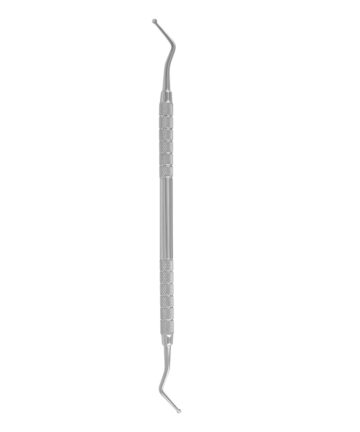
Endodontica Exavator 33L
SKU:
BMI-1360
Rated 0 out of 5
Endodontic Excavator 33L
- Precision Design: Specifically crafted for endodontic procedures, allowing for meticulous removal of debris and infected tissue from the root canal.
- Durable Material: Made from high-quality stainless steel for enhanced strength and longevity, resistant to corrosion and wear.
- Sharp Cutting Edge: Features a finely honed blade that ensures effective excavation while minimizing trauma to surrounding tissue.
- Ergonomic Handle: Designed for comfortable grip and control, reducing hand fatigue during extended procedures.
- Ideal for Access: The 33L model is optimized for accessing difficult-to-reach areas within the canal system, enhancing procedural efficiency.
- Lightweight: Promotes easy maneuverability, allowing for precise control during intricate endodontic work.
- Autoclavable: Fully sterilizable to comply with infection control protocols, ensuring safety for patients and practitioners.
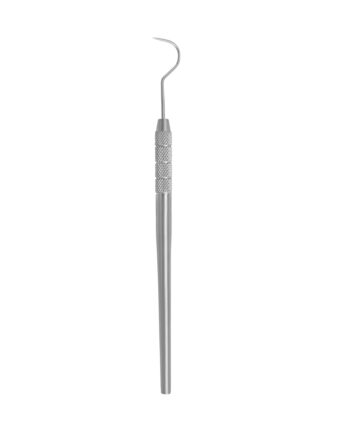
Explorer for Infantil
SKU:
BMI-1361
Rated 0 out of 5
Explorer for Infantil:
- Specialized Design: Tailored for use in pediatric dentistry, featuring a smaller and more delicate tip for accessing the tiny crevices of infant teeth.
- Durable Material: Constructed from high-quality stainless steel, ensuring longevity and resistance to corrosion.
- Comfortable Grip: Ergonomically designed handle for better control and comfort during examinations, minimizing stress on both the dentist and the child.
- Precision Tip: Fine, pointed tip allows for accurate exploration of cavities, fissures, and other dental anomalies in young patients.
- Lightweight: Designed to be lightweight, promoting ease of use and maneuverability in small mouths.
- Autoclavable: Safe for sterilization, adhering to strict infection control standards in dental practices.
- Child-Friendly: Aesthetically designed to appeal to children, helping to reduce anxiety and foster a positive dental experience.
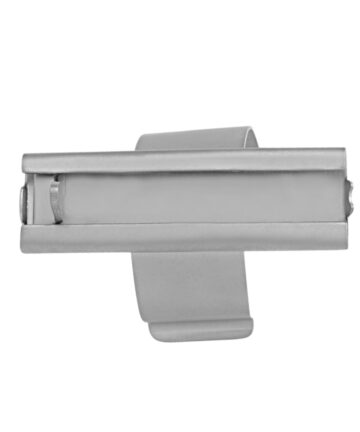
Endodontic Milimeter Ring
SKU:
BMI-1362
Rated 0 out of 5
Endodontic Millimeter Ring
- Accurate Measurements: Specifically designed to help determine and confirm the working length of root canals with precision.
- High-Quality Material: Made from durable, non-corrosive materials to withstand repeated sterilization and use in clinical settings.
- Clear Calibration: Features well-defined millimeter markings that are easy to read, aiding in accurate depth assessment.
- User-Friendly Design: Lightweight and ergonomic for comfortable handling, allowing for easy manipulation during procedures.
- Versatile Application: Ideal for various endodontic treatments, including root canal therapy, ensuring effective and precise measurements.
- Autoclavable: Suitable for sterilization to meet infection control protocols and maintain patient safety.
- Enhanced Visibility: Designed to provide clear visibility of the canal space, facilitating better access and measurement.
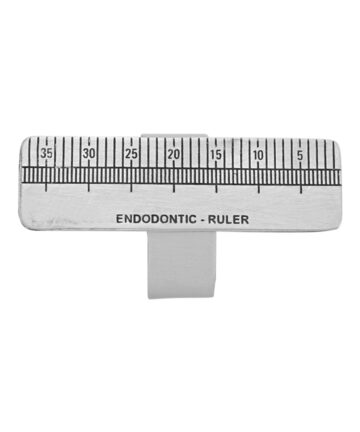
Endodontic Milimeter Ring (Plane)
SKU:
BMI-1363
Rated 0 out of 5
Endodontic Millimeter Ring (Plane)
- Precision Measurement: Designed to provide accurate measurements during endodontic procedures, ensuring precise working length determination.
- Durable Construction: Made from high-quality, non-corrosive materials for longevity and reliable performance in a clinical setting.
- Clear Markings: Features clear millimeter increments for easy reading and accurate measurement of root canal depths.
- Ergonomic Design: Lightweight and easy to handle, allowing for comfortable use during extended procedures.
- Versatile Use: Suitable for various endodontic treatments, aiding in the accurate placement of files and materials.
- Enhanced Visibility: The plane design offers improved visibility of the canal space, facilitating better access and manipulation.
- Autoclavable: Designed for easy sterilization, adhering to infection control standards in dental practice.
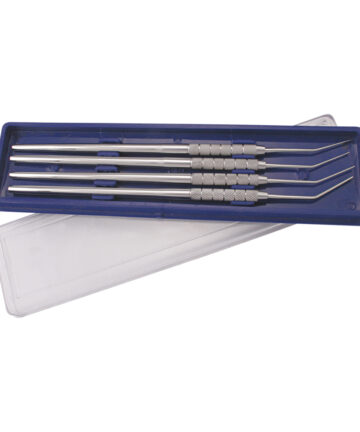
Lucks Set Of 4 Instruments Condensation Endodontic
SKU:
BMI-1364
Rated 0 out of 5
Lucks Set of 4 Instruments for Condensation Endodontic Material
- Precision Engineering: Each instrument is crafted for optimal precision in endodontic procedures, ensuring effective condensation of materials.
- Durable Material: Made from high-quality stainless steel, these instruments resist corrosion and maintain sharpness for long-lasting use.
- Ergonomic Design: Designed for comfortable handling, allowing for better control and reduced hand fatigue during procedures.
- Variety of Shapes: The set includes four distinct instruments, each tailored for specific tasks in the condensation process, enhancing versatility in treatment.
- Autoclavable: Suitable for sterilization, ensuring compliance with infection control protocols and safety standards.
- Lightweight: Each instrument is designed to be lightweight, promoting ease of use and maneuverability.
- Versatile Application: Ideal for use in a variety of endodontic procedures, including root canal filling and sealing.
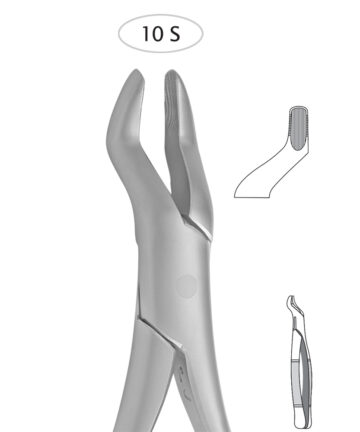
Upper Molares (10s)
SKU:
BMI-1368
Rated 0 out of 5
Upper Molars:
- Extraction Forceps
- Material: Stainless steel
- Features:
- Designed for extracting upper molars; features a curved and rounded beak that conforms to the tooth's anatomy for optimal grip and leverage.
- Ergonomic handle design provides enhanced control and comfort during extraction.
- Elevators
- Material: Stainless steel
- Features:
- Used to loosen upper molars prior to extraction; various designs (e.g., straight or angled) help effectively access the roots.
- Minimizes trauma to surrounding tissues during the extraction process.
- Bone Chisels and Rongeurs
- Material: Stainless steel
- Features:
- Employed for removing bone around the upper molar during surgical extractions; rongeurs allow for precise and controlled bone removal.
- Surgical Scissors
- Material: Stainless steel
- Features:
- Sharp blades for making incisions in soft tissue during molar extractions or surgical procedures.
- Irrigation Needles
- Material: Stainless steel or plastic
- Features:
- Long, slender tips for delivering irrigants, helping maintain a clean surgical field during extraction.
- Suction Tips
- Material: Plastic or stainless steel
- Features:
- Essential for clearing blood and debris during the extraction, ensuring visibility and a clean field.
- X-ray Film or Sensors
- Material: Photographic film or digital sensors
- Features:
- Used to assess the position and roots of upper molars; critical for planning and executing extractions.
Specific Instrument: 10s
- 10s Forceps
- Material: Stainless steel
- Features:
- Specifically designed for the extraction of upper molars.
- Features a rounded, angled beak that allows for effective engagement with the tooth, providing excellent leverage during extraction.
- Ergonomic handle design enhances clinician comfort and precision during procedures.
Additional Notes
- Instruments are typically autoclavable for sterility and hygiene.
- Proper selection and handling of instruments are crucial for the efficiency and success of upper molar extractions. Ergonomic designs help improve clinician comfort and control during these challenging procedures.
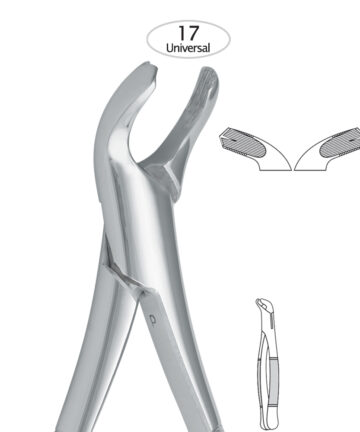
Lower Molares (17)
SKU:
BMI-1369
Rated 0 out of 5
Lower Molars:
- Extraction Forceps
- Material: Stainless steel
- Features:
- Designed for extracting lower molars; features a robust, angled beak that effectively grips the tooth for optimal leverage.
- Ergonomic handle for enhanced control and comfort during extraction procedures.
- Elevators
- Material: Stainless steel
- Features:
- Used to loosen lower molars prior to extraction; various shapes provide access to roots and facilitate effective tooth removal.
- Minimizes trauma to surrounding tissues.
- Bone Chisels and Rongeurs
- Material: Stainless steel
- Features:
- Employed for removing bone around the lower molar during surgical extractions; rongeurs allow for precise and controlled bone removal.
- Surgical Scissors
- Material: Stainless steel
- Features:
- Sharp blades for making incisions in soft tissue during molar extractions or surgical procedures.
- Irrigation Needles
- Material: Stainless steel or plastic
- Features:
- Long, slender tips for delivering irrigants, helping maintain a clean surgical field during extraction.
- Suction Tips
- Material: Plastic or stainless steel
- Features:
- Essential for clearing blood and debris during the extraction, ensuring visibility and a clean field.
- X-ray Film or Sensors
- Material: Photographic film or digital sensors
- Features:
- Used to assess the position and roots of lower molars; critical for planning and executing extractions.
Specific Instrument: 17
- 17 Forceps
- Material: Stainless steel
- Features:
- Specifically designed for the extraction of lower molars.
- Features a strong, angled beak that provides excellent grip and leverage during the extraction process.
- Ergonomic handle design enhances clinician comfort and precision throughout the procedure.
Additional Notes
- Instruments are typically autoclavable for sterility and hygiene.
- Proper selection and handling of instruments are crucial for the efficiency and success of lower molar extractions. Ergonomic designs improve clinician comfort and control, especially when dealing with the unique anatomy of lower molars.
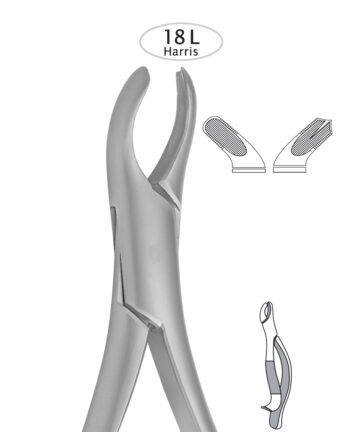
Upper Molares (18L)
SKU:
BMI-1370
Rated 0 out of 5
Upper Molars:
- Extraction Forceps
- Material: Stainless steel
- Features:
- Designed for extracting upper molars; features a curved and rounded beak that conforms to the tooth’s anatomy for optimal grip and leverage.
- Ergonomic handle design for enhanced control and comfort during extraction procedures.
- Elevators
- Material: Stainless steel
- Features:
- Used to loosen upper molars prior to extraction; various designs (e.g., straight or angled) to effectively access the roots.
- Helps minimize trauma to surrounding tissues during the extraction process.
- Bone Chisels and Rongeurs
- Material: Stainless steel
- Features:
- Employed for removing bone around the upper molar during surgical extractions; rongeurs allow for precise and controlled bone removal.
- Surgical Scissors
- Material: Stainless steel
- Features:
- Sharp blades for making incisions in soft tissue during molar extractions or surgical procedures.
- Irrigation Needles
- Material: Stainless steel or plastic
- Features:
- Long, slender tips for delivering irrigants to maintain a clean surgical field during extraction.
- Suction Tips
- Material: Plastic or stainless steel
- Features:
- Essential for clearing blood and debris during the extraction, ensuring visibility and a clean field.
- X-ray Film or Sensors
- Material: Photographic film or digital sensors
- Features:
- Used to assess the position and roots of upper molars; critical for planning and executing extractions.
Specific Instrument: 18L
- 18L Forceps
- Material: Stainless steel
- Features:
- Specifically designed for the extraction of upper left molars.
- Features a rounded, angled beak that allows for effective engagement with the tooth, providing excellent leverage during extraction.
- Ergonomic handle design enhances clinician comfort and precision during procedures.
Additional Notes
- Instruments are typically autoclavable for sterility and hygiene.
- Proper selection and handling of instruments are crucial for the efficiency and success of upper molar extractions. Ergonomic designs help improve clinician comfort and control, especially when working in the challenging upper molar region.
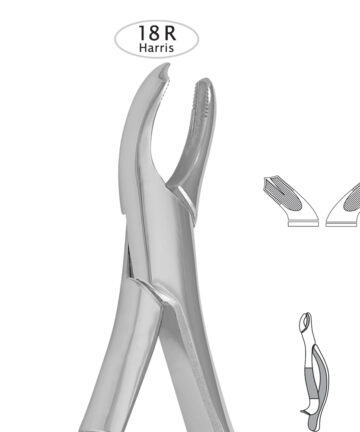
Upper Molares (18R)
SKU:
BMI-1371
Rated 0 out of 5
Upper Molars:
- Extraction Forceps
- Material: Stainless steel
- Features:
- Designed for extracting upper molars; features a curved and rounded beak that conforms to the tooth’s anatomy for optimal grip and leverage.
- Ergonomic handle for enhanced control and comfort during extraction procedures.
- Elevators
- Material: Stainless steel
- Features:
- Used to loosen upper molars before extraction; various designs (e.g., straight or angled) help access the roots effectively.
- Minimizes trauma to surrounding tissues.
- Bone Chisels and Rongeurs
- Material: Stainless steel
- Features:
- Employed for removing bone around the upper molar during surgical extractions; rongeurs allow for precise bone removal.
- Surgical Scissors
- Material: Stainless steel
- Features:
- Sharp blades for making incisions in soft tissue during molar extractions or surgical procedures.
- Irrigation Needles
- Material: Stainless steel or plastic
- Features:
- Long, slender tips for delivering irrigants, maintaining a clean surgical field during extraction.
- Suction Tips
- Material: Plastic or stainless steel
- Features:
- Essential for clearing blood and debris during the extraction, ensuring visibility and a clean field.
- X-ray Film or Sensors
- Material: Photographic film or digital sensors
- Features:
- Used to assess the position and roots of upper molars; critical for planning and executing extractions.
Specific Instrument: 18R
- 18R Forceps
- Material: Stainless steel
- Features:
- Specifically designed for the extraction of upper right molars.
- Features a rounded, angled beak that allows for effective engagement with the tooth, providing excellent leverage during extraction.
- Ergonomic handle design enhances clinician comfort and precision throughout the procedure.
Additional Notes
- Instruments are typically autoclavable for sterility and hygiene.
- Proper selection and handling of instruments are crucial for the efficiency and success of upper molar extractions. Ergonomic designs enhance clinician comfort and control, especially in the challenging upper molar region.
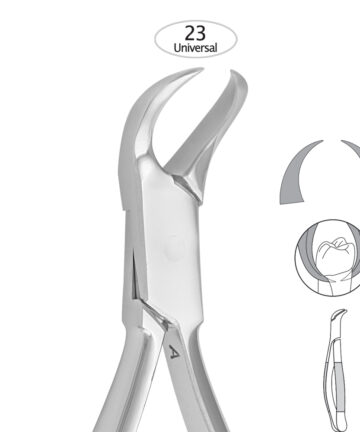
Lower Molares (23)
SKU:
BMI-1372
Rated 0 out of 5
Lower Molars:
- Extraction Forceps
- Material: Stainless steel
- Features:
- Designed for extracting lower molars; features a robust, angled beak for optimal grip and leverage on the tooth.
- Ergonomic handle design enhances control and comfort during extraction.
- Elevators
- Material: Stainless steel
- Features:
- Used to loosen lower molars prior to extraction; various shapes provide effective access to the roots.
- Minimizes trauma to surrounding tissues during the extraction process.
- Bone Chisels and Rongeurs
- Material: Stainless steel
- Features:
- Employed for removing bone around the lower molar during surgical extractions; rongeurs allow for precise and controlled bone removal.
- Surgical Scissors
- Material: Stainless steel
- Features:
- Sharp blades for making incisions in soft tissue during molar extractions or surgical procedures.
- Irrigation Needles
- Material: Stainless steel or plastic
- Features:
- Long, slender tips for delivering irrigants, helping maintain a clean surgical field during extraction.
- Suction Tips
- Material: Plastic or stainless steel
- Features:
- Essential for clearing blood and debris during the extraction, ensuring visibility and a clean field.
- X-ray Film or Sensors
- Material: Photographic film or digital sensors
- Features:
- Used to assess the position and roots of lower molars; critical for planning and executing extractions.
Specific Instrument: 23
- 23 Forceps
- Material: Stainless steel
- Features:
- Specifically designed for the extraction of lower molars.
- Features a robust, angled beak that effectively grips the tooth, allowing for strong leverage during extraction.
- Ergonomic handle design promotes clinician comfort and precision during procedures.
Additional Notes
- Instruments are typically autoclavable for sterility and hygiene.
- Proper selection and handling of instruments are crucial for the efficiency and success of lower molar extractions. Ergonomic designs help improve clinician comfort and control during these challenging procedures.
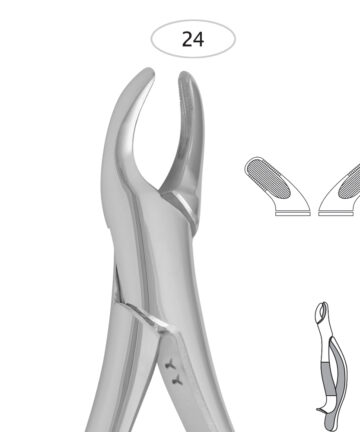
Lower Molares (24)
SKU:
BMI-1373
Rated 0 out of 5
Lower Molars:
- Extraction Forceps
- Material: Stainless steel
- Features:
- Designed for extracting lower molars; features a robust, angled beak for optimal grip and leverage on the tooth.
- Ergonomic handle design enhances control and comfort during extraction.
- Elevators
- Material: Stainless steel
- Features:
- Used to loosen lower molars prior to extraction; various shapes provide effective access to the roots.
- Minimizes trauma to surrounding tissues during the extraction process.
- Bone Chisels and Rongeurs
- Material: Stainless steel
- Features:
- Employed for removing bone around the lower molar during surgical extractions; rongeurs allow for precise and controlled bone removal.
- Surgical Scissors
- Material: Stainless steel
- Features:
- Sharp blades for making incisions in soft tissue during molar extractions or surgical procedures.
- Irrigation Needles
- Material: Stainless steel or plastic
- Features:
- Long, slender tips for delivering irrigants, helping maintain a clean surgical field during extraction.
- Suction Tips
- Material: Plastic or stainless steel
- Features:
- Essential for clearing blood and debris during the extraction, ensuring visibility and a clean field.
- X-ray Film or Sensors
- Material: Photographic film or digital sensors
- Features:
- Used to assess the position and roots of lower molars; critical for planning and executing extractions.
Specific Instrument: 24
- 24 Forceps
- Material: Stainless steel
- Features:
- Specifically designed for the extraction of lower molars.
- Features a robust, angled beak that effectively grips the tooth, allowing for strong leverage during extraction.
- Ergonomic handle design promotes clinician comfort and precision during procedures.
Additional Notes
- Instruments are typically autoclavable for sterility and hygiene.
- Proper selection and handling of instruments are crucial for the efficiency and success of lower molar extractions. Ergonomic designs help improve clinician comfort and control during these challenging procedures.
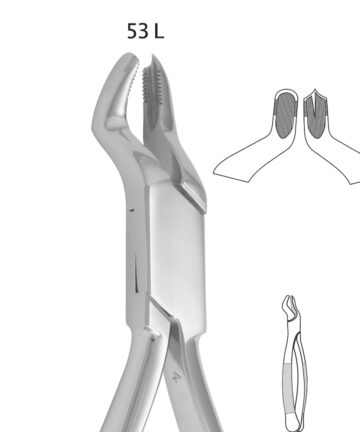
Upper Molares Right (53 L)
SKU:
BMI-1374
Rated 0 out of 5
Upper Left Molars:
- Extraction Forceps
- Material: Stainless steel
- Features:
- Specifically designed for extracting upper right molars; features a curved beak that conforms to the tooth's anatomy for optimal grip and leverage.
- Ergonomically designed handles for enhanced control and comfort during extraction.
- Elevators
- Material: Stainless steel
- Features:
- Used to loosen upper right molars before extraction; various shapes provide access to the roots and facilitate tooth removal.
- Minimizes trauma to surrounding tissues during the extraction process.
- Bone Chisels and Rongeurs
- Material: Stainless steel
- Features:
- Employed for removing bone around the upper molar during surgical extractions; rongeurs allow for precise and controlled bone removal.
- Surgical Scissors
- Material: Stainless steel
- Features:
- Sharp blades for making incisions in soft tissue during molar extractions or surgical procedures.
- Irrigation Needles
- Material: Stainless steel or plastic
- Features:
- Long, slender tips for delivering irrigants, helping maintain a clean surgical field during extraction.
- Suction Tips
- Material: Plastic or stainless steel
- Features:
- Essential for clearing blood and debris during the extraction, ensuring visibility and a clean field.
- X-ray Film or Sensors
- Material: Photographic film or digital sensors
- Features:
- Used to assess the position and roots of upper right molars; critical for planning and executing extractions.
Specific Instrument: 53 L
- 53 L Forceps
- Material: Stainless steel
- Features:
- Specifically designed for the extraction of upper right molars.
- Features a rounded, angled beak that allows for effective engagement with the tooth, providing excellent leverage and control during extraction.
- Ergonomic handle design enhances clinician comfort and precision during procedures.
Additional Notes
- Instruments are typically autoclavable for sterility and hygiene.
- Proper selection and handling of instruments are crucial for the efficiency and success of upper molar extractions. Ergonomic designs help improve clinician comfort and precision during these challenging procedures.
Get updates on surgical instruments, new designs & wholesale deals.
About Us
Bio Medical Instruments, established in 1960, is a leading manufacturer and exporter of surgical and dental instruments based in Sialkot, Pakistan. Backed by decades of experience and skilled craftsmanship, we produce high-quality reusable and single-use instruments for healthcare professionals worldwide. Our commitment to quality, innovation, and customer satisfaction has earned us a strong reputation in international markets. We also provide reliable OEM and ODM manufacturing solutions to global medical companies.
Get In Touch
- Unit #1 – Production & Export: Pacca Garha Islam Nagar Road, Sialkot 51310, Pakistan
- Unit #2 – Forging Manufacturing: Roras Road, Dubala Tiba Bugwal Awan, Sialkot 51310, Pakistan
- Phone Number: 052 4262124
- Phone Number: +92 300 6175930
- Email: info@biomedinst.com
- Website: biomedinst.com
© 2026 Copyright Bio Medical Instruments. All Rights Reserved.
Designed & Developed by WEBRISE STUDIO