
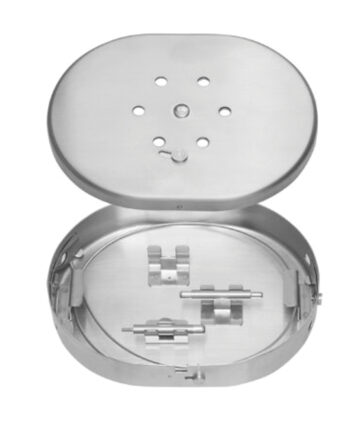
Varicose Vein Set (According to Varady, Complete)
SKU:
BMI-1223
Varicose Vein Set (According to Varady, Complete)
- Material Type: High-quality surgical stainless steel for durability and resistance to corrosion
- Components:
- Probes:
- Used for the exploration and treatment of varicose veins.
- Designed for flexibility and precision in navigating veins.
- Applicators:
- Used for applying treatment agents or ligatures to affected veins.
- Ergonomically designed for ease of use during procedures.
- Spatulas:
- Flat, paddle-shaped instruments for spreading or applying medications or dressings.
- Designed to access various areas during vein treatment.
- Probes:
- Design Features:
- Ergonomic Handles: Designed for comfortable grip and control during procedures.
- Varied Sizes: Components come in different lengths and shapes to accommodate various patient needs and anatomical considerations.
- Storage Case:
- Includes a durable carrying case to protect instruments and facilitate easy transport.
- Weight:
- Lightweight construction for ease of handling during prolonged procedures.
- Care Instructions:
- All instruments are autoclavable for easy sterilization and maintenance in clinical environments.
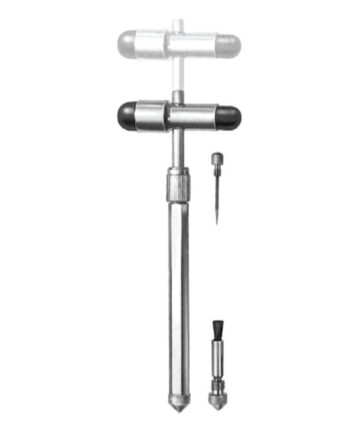
Diagnostic 1
SKU:
BMI-1146
Diagnostic 1
- Material Type: High-quality surgical stainless steel for durability, corrosion resistance, and easy sterilization
- Common Instruments:
- Scalpels: Used for making incisions; available in various blade sizes for different procedures
- Scissors: Surgical scissors (e.g., Mayo or Metzenbaum) for cutting tissue or sutures
- Forceps: Grasping instruments, including tissue forceps and needle holders, designed for secure handling
- Scissors: Specifically designed for cutting tissue, sutures, or other materials
- Speculums: Used for visual examination of cavities (e.g., vaginal or nasal speculums)
- Suction Devices: To clear fluids from surgical sites for better visibility and access
- Biopsy Instruments: Tools for collecting tissue samples for further analysis
- Design Features:
- Ergonomics: Designed for comfortable handling and precision
- Lightweight Construction: For ease of use during prolonged procedures
- Care Instructions: Autoclavable and designed for easy cleaning; recommended to follow manufacturer guidelines for maintenance and storage
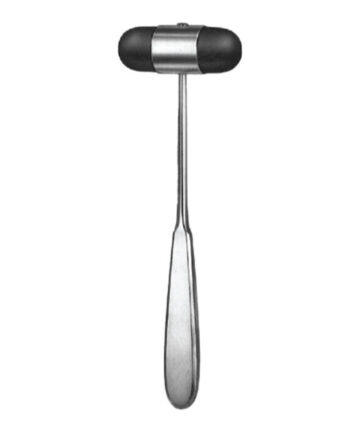
Diagnostic 2
SKU:
BMI-1147
Diagnostic 2
- Material Type: High-quality surgical stainless steel for durability, corrosion resistance, and easy sterilization
- Common Instruments:
- Scalpels: Used for making incisions; available in various blade sizes for different procedures
- Scissors: Surgical scissors (e.g., Mayo or Metzenbaum) for cutting tissue or sutures
- Forceps: Grasping instruments, including tissue forceps and needle holders, designed for secure handling
- Scissors: Specifically designed for cutting tissue, sutures, or other materials
- Speculums: Used for visual examination of cavities (e.g., vaginal or nasal speculums)
- Suction Devices: To clear fluids from surgical sites for better visibility and access
- Biopsy Instruments: Tools for collecting tissue samples for further analysis
- Design Features:
- Ergonomics: Designed for comfortable handling and precision
- Lightweight Construction: For ease of use during prolonged procedures
- Care Instructions: Autoclavable and designed for easy cleaning; recommended to follow manufacturer guidelines for maintenance and storage
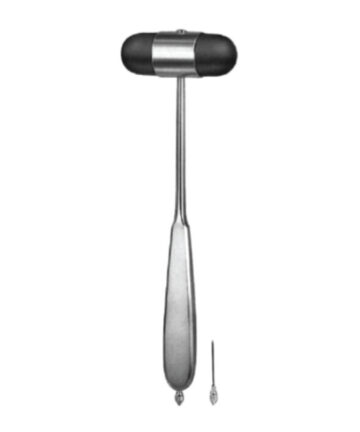
Diagnostic 3
SKU:
BMI-1148
Diagnostic 3
- Material Type: High-quality surgical stainless steel for durability, corrosion resistance, and easy sterilization
- Common Instruments:
- Scalpels: Used for making incisions; available in various blade sizes for different procedures
- Scissors: Surgical scissors (e.g., Mayo or Metzenbaum) for cutting tissue or sutures
- Forceps: Grasping instruments, including tissue forceps and needle holders, designed for secure handling
- Scissors: Specifically designed for cutting tissue, sutures, or other materials
- Speculums: Used for visual examination of cavities (e.g., vaginal or nasal speculums)
- Suction Devices: To clear fluids from surgical sites for better visibility and access
- Biopsy Instruments: Tools for collecting tissue samples for further analysis
- Design Features:
- Ergonomics: Designed for comfortable handling and precision
- Lightweight Construction: For ease of use during prolonged procedures
- Care Instructions: Autoclavable and designed for easy cleaning; recommended to follow manufacturer guidelines for maintenance and storage
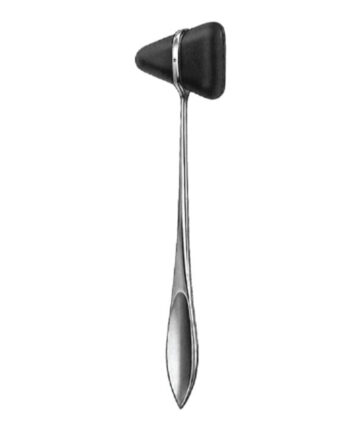
Diagnostic 4
SKU:
BMI-1149
Diagnostic 4
- Material Type: High-quality surgical stainless steel for durability, corrosion resistance, and easy sterilization
- Common Instruments:
- Scalpels: Used for making incisions; available in various blade sizes for different procedures
- Scissors: Surgical scissors (e.g., Mayo or Metzenbaum) for cutting tissue or sutures
- Forceps: Grasping instruments, including tissue forceps and needle holders, designed for secure handling
- Scissors: Specifically designed for cutting tissue, sutures, or other materials
- Speculums: Used for visual examination of cavities (e.g., vaginal or nasal speculums)
- Suction Devices: To clear fluids from surgical sites for better visibility and access
- Biopsy Instruments: Tools for collecting tissue samples for further analysis
- Design Features:
- Ergonomics: Designed for comfortable handling and precision
- Lightweight Construction: For ease of use during prolonged procedures
- Care Instructions: Autoclavable and designed for easy cleaning; recommended to follow manufacturer guidelines for maintenance and storage
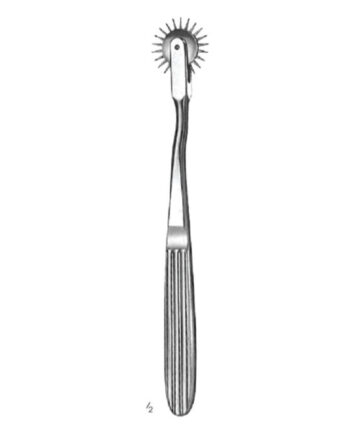
Diagnostic 5
SKU:
BMI-1150
Diagnostic 5
- Material Type: High-quality surgical stainless steel for durability, corrosion resistance, and easy sterilization
- Common Instruments:
- Scalpels: Used for making incisions; available in various blade sizes for different procedures
- Scissors: Surgical scissors (e.g., Mayo or Metzenbaum) for cutting tissue or sutures
- Forceps: Grasping instruments, including tissue forceps and needle holders, designed for secure handling
- Scissors: Specifically designed for cutting tissue, sutures, or other materials
- Speculums: Used for visual examination of cavities (e.g., vaginal or nasal speculums)
- Suction Devices: To clear fluids from surgical sites for better visibility and access
- Biopsy Instruments: Tools for collecting tissue samples for further analysis
- Design Features:
- Ergonomics: Designed for comfortable handling and precision
- Lightweight Construction: For ease of use during prolonged procedures
- Care Instructions: Autoclavable and designed for easy cleaning; recommended to follow manufacturer guidelines for maintenance and storage
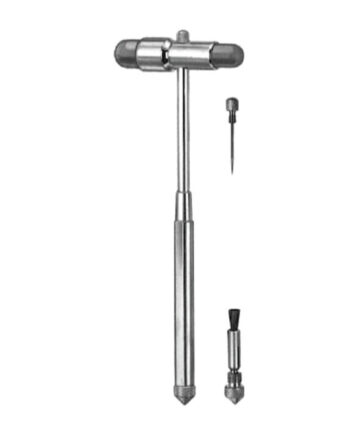
Diagnostic NA
SKU:
BMI-1151
Diagnostic NA
- Material Type: High-quality surgical stainless steel for durability, corrosion resistance, and easy sterilization
- Common Instruments:
- Scalpels: Used for making incisions; available in various blade sizes for different procedures
- Scissors: Surgical scissors (e.g., Mayo or Metzenbaum) for cutting tissue or sutures
- Forceps: Grasping instruments, including tissue forceps and needle holders, designed for secure handling
- Scissors: Specifically designed for cutting tissue, sutures, or other materials
- Speculums: Used for visual examination of cavities (e.g., vaginal or nasal speculums)
- Suction Devices: To clear fluids from surgical sites for better visibility and access
- Biopsy Instruments: Tools for collecting tissue samples for further analysis
- Design Features:
- Ergonomics: Designed for comfortable handling and precision
- Lightweight Construction: For ease of use during prolonged procedures
- Care Instructions: Autoclavable and designed for easy cleaning; recommended to follow manufacturer guidelines for maintenance and storage
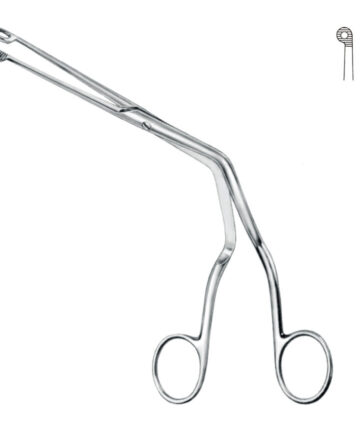
Catheter Introducing Forceps (According to Magill)
SKU:
BMI-1044
Catheter Introducing Forceps (According to Magill)
- Material Type: High-quality surgical stainless steel for durability and corrosion resistance
- Length: Standard length (approximately 25–30 cm) for optimal reach during procedures
- Design: Ergonomically designed handles for comfortable grip and control
- Tip Design:
- Curved or angled tips to facilitate precise navigation and placement of catheters
- Smooth or slightly serrated surfaces for secure gripping without damaging the catheter
- Locking Mechanism: Integrated locking mechanism to maintain a secure hold on the catheter during insertion
- Weight: Lightweight construction for ease of handling, minimizing hand fatigue during use
- Color Options: Typically available in a natural stainless steel finish; may include color-coded handles for easy identification
- Care Instructions: Autoclavable; designed for easy sterilization and repeated use in clinical environments
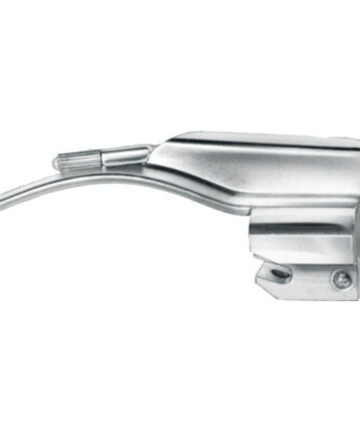
Laryngoscope Blade (According to McIntosh, No. 0)
SKU:
BMI-1045
Laryngoscope Blade (According to McIntosh, No. 0)
- Material Type: High-quality stainless steel for durability and resistance to corrosion
- Design:
- Curved Shape: Specifically designed for optimal access and visibility during intubation in neonates and small infants
- Length: Standard size No. 0, ideal for use in very young patients
- Tip Design: Smooth edges to minimize trauma to delicate tissues during insertion
- Light Source: Integrated light bulb (typically halogen or LED) for enhanced visibility during procedures
- Compatibility: Designed to fit standard McIntosh laryngoscope handles; compatible with various handle sizes
- Weight: Lightweight construction for ease of handling and maneuverability
- Care Instructions: Autoclavable; designed for easy cleaning and maintenance in clinical settings
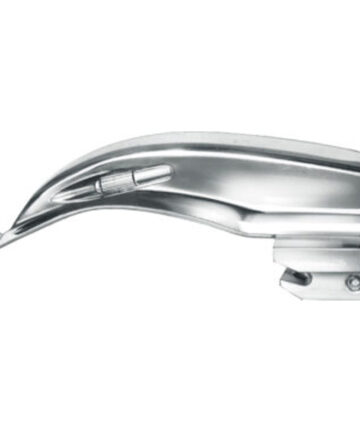
Laryngoscope Blade (According to McIntosh, No. 1)
SKU:
BMI-1046
Laryngoscope Blade (According to McIntosh, No. 1)
- Material Type: High-quality stainless steel for durability and resistance to corrosion
- Design:
- Curved Shape: Engineered to provide optimal access and visibility during intubation in adult patients
- Length: Standard size No. 1, suitable for use in larger patients
- Tip Design: Smooth edges to reduce trauma to the oropharyngeal tissues during insertion
- Light Source: Integrated light bulb (typically halogen or LED) for enhanced visibility during procedures
- Compatibility: Designed to fit standard McIntosh laryngoscope handles; compatible with various handle sizes
- Weight: Lightweight construction for ease of handling and maneuverability
- Care Instructions: Autoclavable; designed for easy cleaning and maintenance in clinical environments
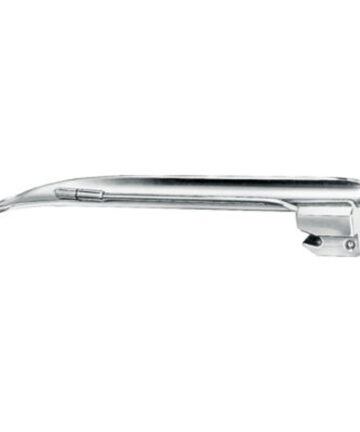
Laryngoscope Blade (According to McIntosh, No. 2)
SKU:
BMI-1047
Laryngoscope Blade (According to McIntosh, No. 2)
- Material Type: High-quality stainless steel for durability and resistance to corrosion
- Design:
- Curved Shape: Engineered to provide optimal access and visibility during intubation in adult patients
- Length: Standard size No. 2, suitable for use in larger patients
- Tip Design: Smooth edges to reduce trauma to the oropharyngeal tissues during insertion
- Light Source: Integrated light bulb (typically halogen or LED) for enhanced visibility during procedures
- Compatibility: Designed to fit standard McIntosh laryngoscope handles; compatible with various handle sizes
- Weight: Lightweight construction for ease of handling and maneuverability
- Care Instructions: Autoclavable; designed for easy cleaning and maintenance in clinical environments
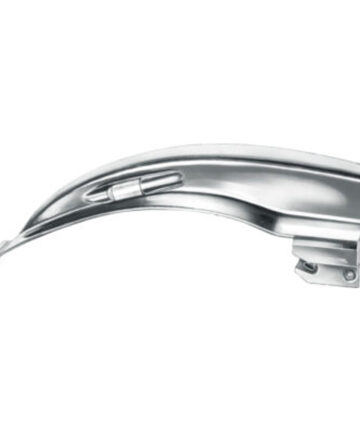
Laryngoscope Blade (According to McIntosh, No. 3)
SKU:
BMI-1048
Laryngoscope Blade (According to McIntosh, No. 3)
- Material Type: High-quality stainless steel for durability and resistance to corrosion
- Design:
- Curved Shape: Engineered to provide optimal access and visibility during intubation in adult patients
- Length: Standard size No. 3, suitable for use in larger patients
- Tip Design: Smooth edges to reduce trauma to the oropharyngeal tissues during insertion
- Light Source: Integrated light bulb (typically halogen or LED) for enhanced visibility during procedures
- Compatibility: Designed to fit standard McIntosh laryngoscope handles; compatible with various handle sizes
- Weight: Lightweight construction for ease of handling and maneuverability
- Care Instructions: Autoclavable; designed for easy cleaning and maintenance in clinical environments