
Forcep Infantile
- All products
- Surgical Instruments313 products
- Aneasthesia12 products
- Artery Forceps41 products
- Asepsis5 products
- Bone Surgery30 products
- Cotton Swab Forceps13 products
- Diagnostics6 products
- Dressing19 products
- Forceps21 products
- Measuring7 products
- Miscellaneous Products14 products
- Probes11 products
- Retractors21 products
- Scalpels18 products
- Scissors25 products
- Suture23 products
- Trocars30 products
- Dental Instruments419 products
- Applicator & Amalgame Carriers6 products
- Articulators12 products
- Bone Files3 products
- Caliper Gauges4 products
- Cotton Holder2 products
- Crown Remover2 products
- Curettes2 products
- Dissecting Kit With 13 Instruments14 products
- Espatulas3 products
- Excavators4 products
- Explorers Probes & Endodonticos Excavators15 products
- Extracting Forceps For Adults & Bone Roungers3 products
- Forcep Infantile43 products
- Fraziers4 products
- Gingival Pushers2 products
- Handles & Mouth Mirrors13 products
- Hemostats Forceps15 products
- Instruments For Carvers & Burnishers9 products
- Instruments For Endodontic39 products
- Instruments For Periodontia kitsCurettes & Sharp Punzo11 products
- Jacquette5 products
- Kit Instruments Of Model & To Wax Carvers6 products
- Matrix Retainers3 products
- Miscellaneous Products Articulos Varios7 products
- Mouth Gauges3 products
- Needle Holders8 products
- Plaster Cutting Plier1 product
- Plastic Cutting Knives5 products
- Pliers For Orthodontics & Prosthetics15 products
- Pluggers2 products
- Retractors3 products
- Root Elevators41 products
- Scissors Tigeras17 products
- Spatulas2 products
- Stainless Steel Impression Trays44 products
- Sterilizing Cases Of Stainless Steel & Accessories Of Odontologia10 products
- Syringes For Local Anesthesia9 products
- Tweezers For Sutures, Dressing & Cotton8 products
- Beauty Instruments210 products
- Acrylic Cutters7 products
- Blue Titanium Tweezer6 products
- Cuticle Nippers8 products
- Cuticle Scissors15 products
- Embroidery Scissors10 products
- Eyebrow Tweezers12 products
- Gold Titanium Tweezers8 products
- House Hold Scissors5 products
- Manicure Kits11 products
- Manicure Pushers11 products
- Matt Tweezers7 products
- Multi Titanium Tweezers8 products
- Multipurpose Scissors7 products
- Nail Cutter7 products
- Pedicure Instruments9 products
- Plastic Handle Scissors5 products
- Professional Hair Cutting Scissors16 products
- Professional Nail Cuticles Nippers8 products
- Razor5 products
- Razor Edge Dressing Scissors18 products
- Razor Edge Thinning Scissors17 products
- Standard Hair Dressing Scissors7 products
- Standard Thinning Scissors3 products
- Veterinary Instruments68 products
- Animal Care7 products
- Castration Instruments6 products
- Cattle Breeding2 products
- Cattle Marketing10 products
- Hoof & Claws8 products
- Obstetric Instruments5 products
- Restratining Instruments12 products
- Syringes, Needles & Accessories5 products
- Teat Instruments7 products
- Tooth Instruments2 products
- Trocar4 products
Showing 25–36 of 43 resultsSorted by latest
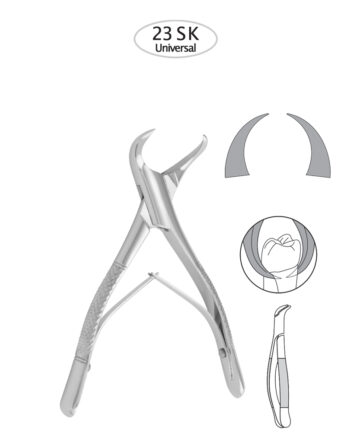
Upper Molares
SKU:
BMI-1391
Rated 0 out of 5
Upper Molars:
- Extraction Forceps
- Material: Stainless steel
- Features: Specifically designed for extracting upper molars; curved beaks for effective gripping and leverage.
- Elevators
- Material: Stainless steel
- Features: Used to loosen molars before extraction; various shapes to access the roots effectively.
- Bone Chisels and Rongeurs
- Material: Stainless steel
- Features: Used to remove bone around the molar during surgical extractions; rongeurs have a scissor-like action for precise bone removal.
- Surgical Scissors
- Material: Stainless steel
- Features: Sharp blades for making incisions in soft tissue during molar extractions.
- Irrigation Needles
- Material: Stainless steel or plastic
- Features: Long, thin tips for flushing out the extraction site and keeping it clean during surgery.
- Suction Tips
- Material: Plastic or stainless steel
- Features: Essential for maintaining a clear field by removing blood and debris during extraction procedures.
- X-ray Film or Sensors
- Material: Photographic film or digital sensors
- Features: Used for assessing the position and roots of upper molars; critical for planning extractions.
Specific Instrument: SK23
- SK23 Forceps
- Material: Stainless steel
- Features:
- Specifically designed for the extraction of upper molars.
- Features wide, curved beaks to adapt to the anatomy of molars for effective gripping.
- Provides excellent leverage and control during extraction.
Additional Notes
- Instruments are typically autoclavable for hygiene and sterility.
- Ergonomic designs enhance clinician comfort and control, especially important for the extraction of molars, which often require precision and care due to their complex anatomy.
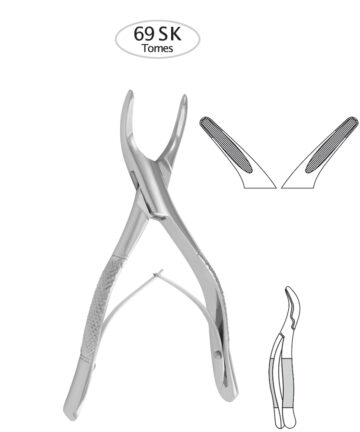
Upper and Lower Roots
SKU:
BMI-1392
Rated 0 out of 5
Upper and Lower Roots:
- Endodontic Files
- Material: Stainless steel or nickel-titanium
- Features: Flexible and tapered for cleaning and shaping the root canals; various sizes accommodate different canal systems.
- Reamers
- Material: Stainless steel or nickel-titanium
- Features: Used to enlarge root canals; designed for navigating the anatomical complexities of upper and lower roots.
- Irrigation Needles
- Material: Stainless steel or plastic
- Features: Long, slender tips for delivering irrigants to effectively flush debris from root canals.
- Paper Points
- Material: Absorbent paper
- Features: Used for drying root canals after cleaning; available in various sizes to match different canal widths.
- Gutta-Percha Points
- Material: Gutta-percha (natural latex material)
- Features: Biocompatible material used for filling cleaned canals; radiopaque for visibility on X-rays.
- Dental Forceps
- Material: Stainless steel
- Features: Specifically shaped for extracting teeth with complex root structures; designed for effective gripping of upper and lower roots.
- Elevators
- Material: Stainless steel
- Features: Used to loosen teeth prior to extraction; various designs for accessing roots effectively.
- Composite Instruments
- Material: Stainless steel or plastic
- Features: Tools for placing and shaping composite materials in restorations; includes spatulas and condensers.
- Surgical Scissors
- Material: Stainless steel
- Features: Used for cutting soft tissue during surgical procedures involving upper and lower roots.
Specific Instrument: SK69
- SK69 Elevator
- Material: Stainless steel
- Features:
- Designed for elevating teeth with complex root anatomy, effective for both upper and lower roots.
- Features a sharp, angled tip for improved access and leverage.
- Ergonomic handle for better control and comfort during use.
Additional Notes
- Instruments are typically autoclavable for sterility.
- Ergonomic designs are essential for enhancing precision and comfort during procedures involving intricate root systems.
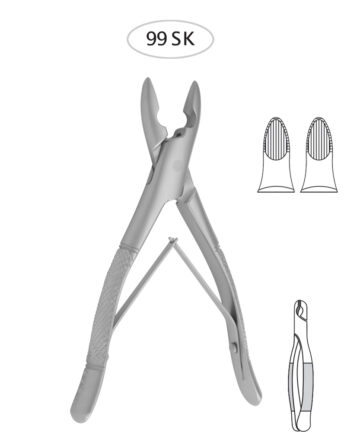
Upper Incisors, Canines, Premolars
SKU:
BMI-1393
Rated 0 out of 5
Upper Incisors, Canines, and Premolars:
- Endodontic Files
- Material: Stainless steel or nickel-titanium
- Features: Tapered and flexible for cleaning and shaping the canals of incisors, canines, and premolars; available in various sizes.
- Reamers
- Material: Stainless steel or nickel-titanium
- Features: Used for enlarging root canals; designed to accommodate the specific anatomy of anterior and premolar teeth.
- Irrigation Needles
- Material: Stainless steel or plastic
- Features: Long, slender tips for delivering irrigants to clean out root canals effectively.
- Paper Points
- Material: Absorbent paper
- Features: Utilized for drying root canals after cleaning; available in various sizes for different canal dimensions.
- Gutta-Percha Points
- Material: Gutta-percha (natural latex material)
- Features: Biocompatible material for filling root canals; radiopaque for easy identification on X-rays.
- Dental Forceps
- Material: Stainless steel
- Features: Specifically shaped for extracting upper incisors, canines, and premolars; designed for optimal gripping and control.
- Elevators
- Material: Stainless steel
- Features: Used to loosen teeth before extraction; various shapes for accessing roots in the anterior region.
- Composite Instruments
- Material: Stainless steel or plastic
- Features: Tools for placing and shaping composite materials in restorations; includes spatulas and condensers.
- Matrix Bands
- Material: Thin stainless steel or plastic
- Features: Flexible bands used to create temporary walls during restorations, ensuring proper tooth contour.
Specific Instrument: SK99
- SK99 Elevator
- Material: Stainless steel
- Features:
- Designed for elevating upper incisors, canines, and premolars.
- Features a sharp, angled tip for effective access and leverage.
- Ergonomic handle for improved control and comfort during use.
Additional Notes
- Instruments are typically autoclavable for sterility and hygiene.
- Ergonomic designs enhance precision and comfort for the clinician, particularly important during intricate procedures in the anterior region.
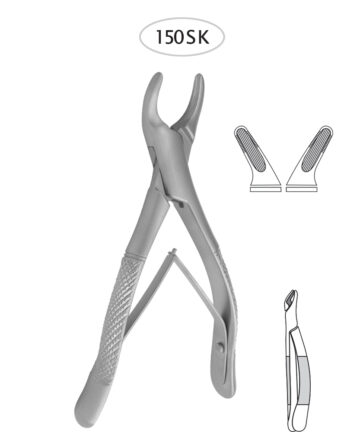
Upper Incisors, Premolars, Roots
SKU:
BMI-1394
Rated 0 out of 5
Upper Incisors and Premolars:
- Endodontic Files
- Material: Stainless steel or nickel-titanium
- Features: Tapered and flexible for cleaning and shaping the root canals of incisors and premolars; available in various sizes.
- Reamers
- Material: Stainless steel or nickel-titanium
- Features: Used for enlarging root canals; specifically designed to navigate the delicate anatomy of upper anterior teeth.
- Irrigation Needles
- Material: Stainless steel or plastic
- Features: Long, slender tips for delivering irrigants to flush debris from root canals during endodontic procedures.
- Paper Points
- Material: Absorbent paper
- Features: Used for drying root canals after cleaning and irrigation; come in various sizes to fit different canal widths.
- Gutta-Percha Points
- Material: Gutta-percha (natural latex material)
- Features: Biocompatible filling material for root canals; radiopaque to allow for visibility on X-rays.
- Dental Forceps
- Material: Stainless steel
- Features: Specifically shaped for extracting upper incisors and premolars; designed for effective gripping and control.
- Elevators
- Material: Stainless steel
- Features: Used to loosen teeth before extraction; various designs for accessing upper roots effectively.
- Composite Instruments
- Material: Stainless steel or plastic
- Features: Tools for placing, shaping, and finishing composite restorations; includes spatulas and condensers for smooth application.
- Matrix Bands
- Material: Thin stainless steel or plastic
- Features: Flexible bands for creating temporary walls during restorations; essential for achieving proper contours.
Additional Notes
- Instruments are typically autoclavable for hygiene and sterility.
- Ergonomic designs enhance clinician comfort and control, particularly important for precise work in the anterior region of the mouth.
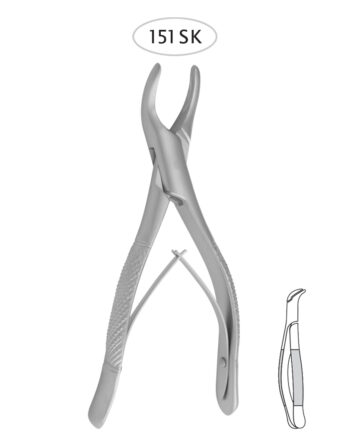
Lower Incisors, Premolars, Roots
SKU:
BMI-1395
Rated 0 out of 5
Lower Incisors and Premolars:
- Endodontic Files
- Material: Stainless steel or nickel-titanium
- Features: Tapered and flexible for cleaning and shaping the narrower canals in incisors and premolars.
- Reamers
- Material: Stainless steel or nickel-titanium
- Features: Used to enlarge root canals; designed for the anatomy of lower incisors and premolars.
- Irrigation Needles
- Material: Stainless steel or plastic
- Features: Long, thin tips for delivering irrigants during root canal treatment to flush debris.
- Paper Points
- Material: Absorbent paper
- Features: Used to dry root canals after cleaning; available in various sizes.
- Gutta-Percha Points
- Material: Gutta-percha (natural latex material)
- Features: Biocompatible filling material for root canals; radiopaque for visibility on X-rays.
- Dental Forceps
- Material: Stainless steel
- Features: Specifically shaped for extracting lower incisors and premolars; designed for effective gripping.
- Elevators
- Material: Stainless steel
- Features: Used to loosen teeth before extraction; specific designs for accessing lower roots.
- Composite Instruments
- Material: Stainless steel or plastic
- Features: Used for placing and shaping composite materials in restorations; includes spatulas and condensers.
- Matrix Bands
- Material: Thin stainless steel or plastic
- Features: Flexible bands for creating a temporary wall during restorations of incisors and premolars.
Specific Instrument: SK151
- SK151 Elevator
- Material: Stainless steel
- Features:
- Designed specifically for elevating lower incisors and premolars.
- Features a sharp, angled tip for effective access and leverage.
- Ergonomic handle for improved control during use.
Additional Notes
- Instruments are typically autoclavable for sterility.
- Ergonomic designs are important for clinician comfort and precision during procedures, especially in the confined space of the lower arch.
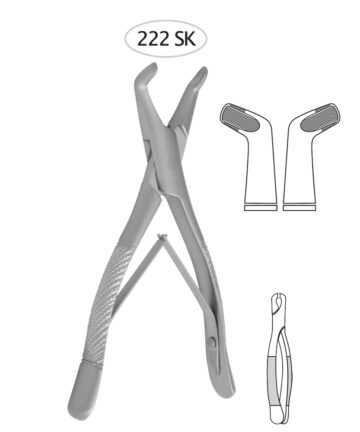
Lower Third Molars
SKU:
BMI-1396
Rated 0 out of 5
Lower Third Molars:
- Extraction Forceps
- Material: Stainless steel
- Features: Designed specifically for lower third molars; features curved beaks for effective gripping and leverage.
- Elevators
- Material: Stainless steel
- Features: Used to loosen third molars before extraction; various shapes for access to the roots and surrounding bone.
- Bone Chisels and Rongeurs
- Material: Stainless steel
- Features: Used for removing bone around the molar during surgical extractions; rongeurs have a scissor-like action for precise bone removal.
- Surgical Scissors
- Material: Stainless steel
- Features: Used for cutting soft tissue during extraction procedures; various styles for different surgical needs.
- Suction Tips
- Material: Plastic or stainless steel
- Features: Essential for maintaining a clear field by removing blood and debris during surgery.
- Scalpel Blades
- Material: Stainless steel
- Features: Sharp blades for making incisions in soft tissue during surgical extractions.
- Irrigation Needles
- Material: Stainless steel or plastic
- Features: Used to flush out the extraction site and keep the area clean during surgery.
- Sutures
- Material: Absorbable or non-absorbable materials
- Features: Used to close incisions after extraction; various types for different healing needs.
- X-ray Film or Sensors
- Material: Photographic film or digital sensors
- Features: Used for assessing the position and roots of lower third molars; essential for planning extractions.
Additional Notes
- Instruments are often autoclavable to ensure cleanliness and sterility.
- Ergonomic designs enhance comfort and control during procedures, especially given the complexities associated with lower third molars.
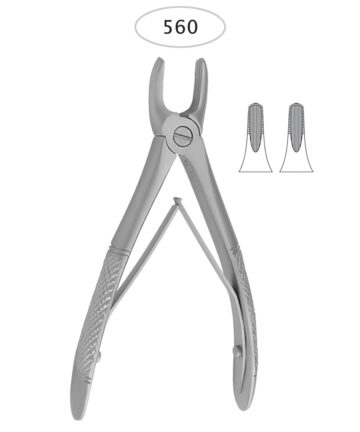
Upper Incisors
SKU:
BMI-1397
Rated 0 out of 5
Upper Incisors:
- Endodontic Files
- Material: Stainless steel or nickel-titanium
- Features: Tapered and flexible for cleaning and shaping the narrower root canals typically found in incisors.
- Reamers
- Material: Stainless steel or nickel-titanium
- Features: Used for enlarging root canals; designed to navigate the delicate anatomy of incisor roots.
- Irrigation Needles
- Material: Stainless steel or plastic
- Features: Long, slender tips for delivering irrigants to cleanse the canal during endodontic treatment.
- Paper Points
- Material: Absorbent paper
- Features: Used for drying root canals after irrigation; come in various sizes to fit the canal width.
- Gutta-Percha Points
- Material: Gutta-percha (natural latex material)
- Features: Biocompatible material used for filling cleaned canals; radiopaque for visibility on X-rays.
- Dental Forceps
- Material: Stainless steel
- Features: Specifically designed for extracting upper incisors; slim beaks for effective grasping of the tooth.
- Elevators
- Material: Stainless steel
- Features: Used to loosen incisors prior to extraction; designed for access to the roots in the anterior region.
- Composite Instruments
- Material: Stainless steel or plastic
- Features: Tools for placing, shaping, and finishing composite restorations; includes spatulas and condensers.
- Matrix Bands
- Material: Thin stainless steel or plastic
- Features: Flexible bands used to create a temporary wall during restoration of incisors, ensuring proper shape.
Additional Notes
- Instruments are typically autoclavable to ensure sterility.
- Ergonomic designs enhance clinician comfort and control, particularly important in the anterior area where visibility and precision are key.
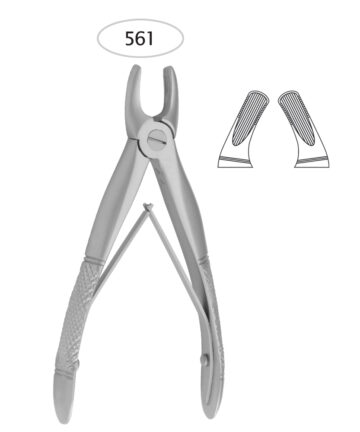
Upper Premolars
SKU:
BMI-1398
Rated 0 out of 5
Upper Premolars:
- Endodontic Files
- Material: Stainless steel or nickel-titanium
- Features: Flexible, tapered designs for cleaning and shaping root canals in premolars; various sizes for different canal systems.
- Reamers
- Material: Stainless steel or nickel-titanium
- Features: Used for enlarging root canals; available in different tapers and lengths to accommodate various tooth anatomies.
- Irrigation Needles
- Material: Stainless steel or plastic
- Features: Long, thin tips designed for delivering irrigants to flush out debris from the root canal.
- Paper Points
- Material: Absorbent paper
- Features: Utilized for drying root canals after irrigation; come in various sizes to fit different canal widths.
- Gutta-Percha Points
- Material: Gutta-percha (natural latex material)
- Features: Biocompatible filling material for root canals; radiopaque for easier X-ray visibility.
- Dental Forceps
- Material: Stainless steel
- Features: Specifically shaped for extracting upper premolars; curved beaks for effective grip and leverage.
- Elevators
- Material: Stainless steel
- Features: Used to loosen teeth prior to extraction; specific designs help access upper premolar roots effectively.
- Composite Instruments
- Material: Stainless steel or plastic
- Features: Used for placing and shaping composite materials in restorations; includes spatulas and condensers.
- Matrix Bands
- Material: Thin stainless steel or plastic
- Features: Flexible bands for creating temporary walls during restorations; critical for achieving proper contours.
Additional Notes
- Instruments are designed for sterility and often autoclavable.
- Ergonomic handles enhance comfort and control during intricate procedures, especially in the upper arch.
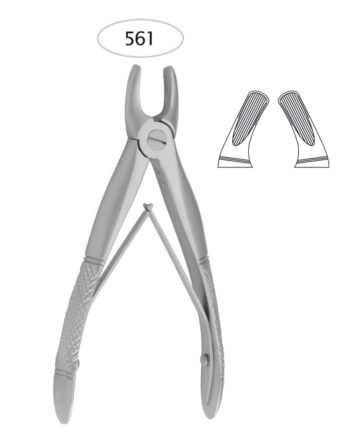
Upper Premolars
Rated 0 out of 5
Upper Premolars:
- Endodontic Files
- Material: Stainless steel or nickel-titanium
- Features: Flexible, tapered designs for cleaning and shaping root canals in premolars; various sizes for different canal systems.
- Reamers
- Material: Stainless steel or nickel-titanium
- Features: Used for enlarging root canals; available in different tapers and lengths to accommodate various tooth anatomies.
- Irrigation Needles
- Material: Stainless steel or plastic
- Features: Long, thin tips designed for delivering irrigants to flush out debris from the root canal.
- Paper Points
- Material: Absorbent paper
- Features: Utilized for drying root canals after irrigation; come in various sizes to fit different canal widths.
- Gutta-Percha Points
- Material: Gutta-percha (natural latex material)
- Features: Biocompatible filling material for root canals; radiopaque for easier X-ray visibility.
- Dental Forceps
- Material: Stainless steel
- Features: Specifically shaped for extracting upper premolars; curved beaks for effective grip and leverage.
- Elevators
- Material: Stainless steel
- Features: Used to loosen teeth prior to extraction; specific designs help access upper premolar roots effectively.
- Composite Instruments
- Material: Stainless steel or plastic
- Features: Used for placing and shaping composite materials in restorations; includes spatulas and condensers.
- Matrix Bands
- Material: Thin stainless steel or plastic
- Features: Flexible bands for creating temporary walls during restorations; critical for achieving proper contours.
Additional Notes
- Instruments are designed for sterility and often autoclavable.
- Ergonomic handles enhance comfort and control during intricate procedures, especially in the upper arch.
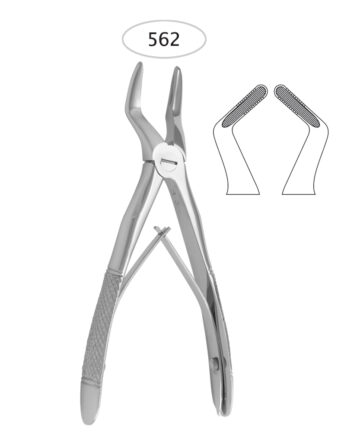
Upper Roots
SKU:
BMI-1399
Rated 0 out of 5
Upper Roots:
- Endodontic Files
- Material: Stainless steel or nickel-titanium
- Features: Flexible and tapered for cleaning and shaping the root canal; various sizes and shapes.
- Reamers
- Material: Stainless steel or nickel-titanium
- Features: Designed for enlarging root canals; come in different taper and lengths.
- Irrigation Needles
- Material: Stainless steel or plastic
- Features: Long, thin tips for delivering irrigants to flush debris from the root canal.
- Paper Points
- Material: Absorbent paper
- Features: Used for drying root canals after cleaning and irrigation; come in various sizes.
- Gutta-Percha Points
- Material: Gutta-percha (natural latex material)
- Features: Used for filling the cleaned root canal; biocompatible and radiopaque.
- Dental X-ray Film or Sensors
- Material: Photographic film or digital sensors
- Features: Used to assess root anatomy and monitor treatment progress; essential for diagnosis.
- Extraction Forceps
- Material: Stainless steel
- Features: Designed specifically for upper molar and premolar extraction; curved beaks for effective gripping.
- Elevators
- Material: Stainless steel
- Features: Utilized for loosening teeth before extraction; specific shapes for access to upper roots.
Additional Notes
- Instruments are often autoclavable for hygiene.
- Ergonomic designs enhance usability during intricate procedures, especially in the confined space of the upper jaw.
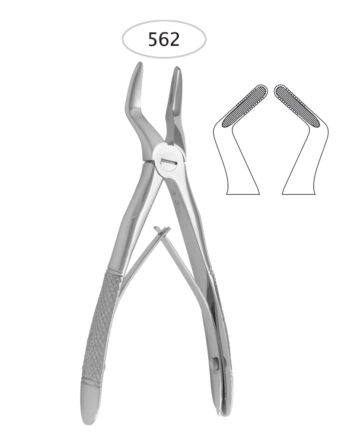
Upper Roots
SKU:
BMI-1400
Rated 0 out of 5
Upper Roots:
- Endodontic Files
- Material: Stainless steel or nickel-titanium
- Features: Flexible and tapered for cleaning and shaping the root canal; various sizes and shapes.
- Reamers
- Material: Stainless steel or nickel-titanium
- Features: Designed for enlarging root canals; come in different taper and lengths.
- Irrigation Needles
- Material: Stainless steel or plastic
- Features: Long, thin tips for delivering irrigants to flush debris from the root canal.
- Paper Points
- Material: Absorbent paper
- Features: Used for drying root canals after cleaning and irrigation; come in various sizes.
- Gutta-Percha Points
- Material: Gutta-percha (natural latex material)
- Features: Used for filling the cleaned root canal; biocompatible and radiopaque.
- Dental X-ray Film or Sensors
- Material: Photographic film or digital sensors
- Features: Used to assess root anatomy and monitor treatment progress; essential for diagnosis.
- Extraction Forceps
- Material: Stainless steel
- Features: Designed specifically for upper molar and premolar extraction; curved beaks for effective gripping.
- Elevators
- Material: Stainless steel
- Features: Utilized for loosening teeth before extraction; specific shapes for access to upper roots.
Additional Notes
- Instruments are often autoclavable for hygiene.
- Ergonomic designs enhance usability during intricate procedures, especially in the confined space of the upper jaw.
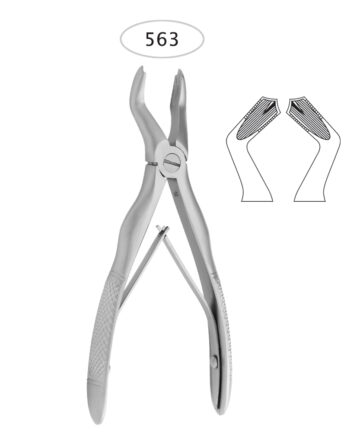
Upper Molares
SKU:
BMI-1401
Rated 0 out of 5
Upper Molars:
- Elevators
- Material: Stainless steel or titanium
- Features: Sharp, tapered tips for loosening teeth, angled handles for improved leverage.
- Forceps
- Material: Stainless steel, often with a rubberized grip
- Features: Curved beaks designed for gripping molars, various shapes for different tooth positions.
- Scalers and Curettes
- Material: Stainless steel or resin-coated for enhanced durability
- Features: Thin, pointed tips for plaque and calculus removal, ergonomic handles.
- Burs
- Material: Carbide or diamond-coated steel
- Features: Various shapes and sizes for cavity preparation and finishing; high durability.
- Amalgam Carriers
- Material: Stainless steel
- Features: Hollow tips for carrying and delivering amalgam, often autoclavable.
- Matrix Bands
- Material: Thin stainless steel or plastic
- Features: Flexible for contouring around molars, used for creating a temporary wall during restorations.
- Rubber Dam Kits
- Material: Latex or non-latex rubber
- Features: Isolation of the tooth area, prevents moisture contamination during procedures.
Additional Notes
- Instruments are typically autoclavable for sterilization.
- Ergonomic designs are common to enhance clinician comfort during procedures.
Get updates on surgical instruments, new designs & wholesale deals.
About Us
Bio Medical Instruments, established in 1960, is a leading manufacturer and exporter of surgical and dental instruments based in Sialkot, Pakistan. Backed by decades of experience and skilled craftsmanship, we produce high-quality reusable and single-use instruments for healthcare professionals worldwide. Our commitment to quality, innovation, and customer satisfaction has earned us a strong reputation in international markets. We also provide reliable OEM and ODM manufacturing solutions to global medical companies.
Get In Touch
- Unit #1 – Production & Export: Pacca Garha Islam Nagar Road, Sialkot 51310, Pakistan
- Unit #2 – Forging Manufacturing: Roras Road, Dubala Tiba Bugwal Awan, Sialkot 51310, Pakistan
- Phone Number: 052 4262124
- Phone Number: +92 300 6175930
- Email: info@biomedinst.com
- Website: biomedinst.com
© 2026 Copyright Bio Medical Instruments. All Rights Reserved.
Designed & Developed by WEBRISE STUDIO