
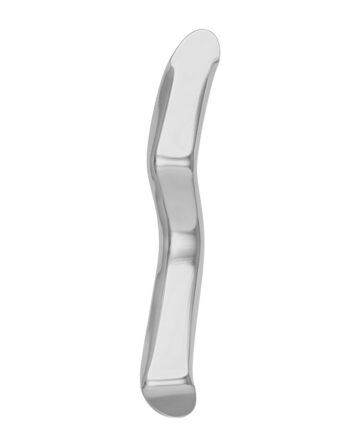
Minnesota University 140mm
SKU:
BMI-1583
Minnesota University (140mm)
- Material Composition: Typically crafted from high-quality stainless steel for strength, durability, and resistance to corrosion.
- Design Features: Features a flat, angled design with a working end that is ideal for retracting tissue or providing access during surgical procedures.
- Size: Measures 140mm in length, making it suitable for various applications in both dental and surgical fields.
- Handle Design: Ergonomically shaped for a comfortable grip, allowing for precise control during use and reducing hand fatigue.
- Finish: Usually polished for smooth handling and easy cleaning, minimizing the risk of contamination in clinical settings.
- Usage: Commonly used in oral surgery and dental procedures for retraction and visibility, as well as in other surgical contexts.
- Sterilization Compatibility: Designed to be compatible with autoclaving and other sterilization methods, ensuring hygiene standards are met in medical environments.
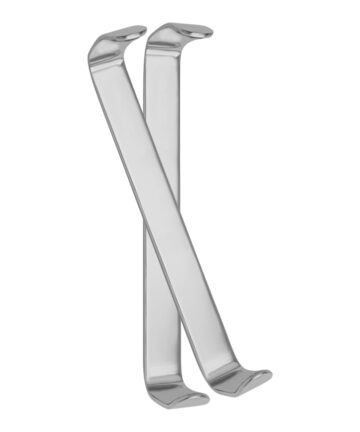
Farabeuf Set of 2 pieces
SKU:
BMI-1584
Farabeuf Set (2 Pieces)
- Material Composition: Typically made from high-quality stainless steel, offering durability, resistance to corrosion, and ease of cleaning.
- Design Features: Consists of two instruments, usually including a straight and a curved type, designed for versatile handling and manipulation during surgical procedures.
- Size: Standard sizes that provide optimal control and precision for various surgical applications, suitable for use in a range of medical settings.
- Handle Design: Ergonomically shaped handles for a comfortable grip, enhancing control during use and reducing hand fatigue.
- Finish: Polished surface for smooth operation and easy cleaning, minimizing the risk of contamination during surgical procedures.
- Usage: Commonly used in surgical settings for retracting, manipulating tissues, or assisting in other procedures that require fine control.
- Sterilization Compatibility: Designed to withstand autoclaving and other sterilization methods to ensure compliance with hygiene standards in medical environments.
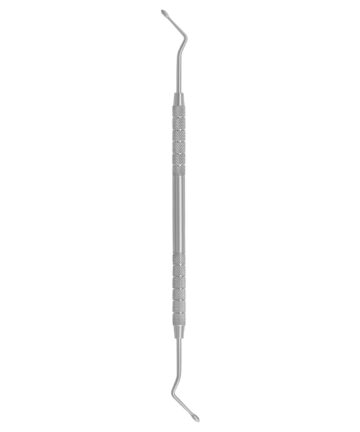
Plugger A.G.C
SKU:
BMI-1580
Plugger A.G.C.
- Material Composition: Typically made from high-quality stainless steel or a durable alloy, ensuring longevity and resistance to corrosion during use.
- Design Features: Characterized by a pointed or rounded tip for effective placement and adaptation of dental materials, especially in restorative and endodontic procedures.
- Size: Available in various sizes to accommodate different applications and preferences, ensuring versatility in dental practices.
- Handle Design: Features an ergonomic handle for comfort and control, allowing for precise manipulation during procedures and reducing hand fatigue.
- Finish: Usually has a polished surface for easy cleaning, minimizing the risk of contamination and ensuring hygiene.
- Usage: Commonly used for packing and condensing materials such as gutta-percha in root canal treatments, as well as in various restorative applications.
- Sterilization Compatibility: Designed to be compatible with autoclaving and other sterilization methods, maintaining hygiene standards in clinical environments.
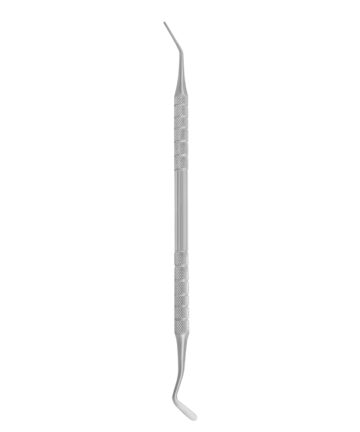
Plugger Glick No.1
SKU:
BMI-1581
Plugger Glick No. 1:
- Material Composition: Usually made from high-quality stainless steel or alloy, ensuring durability and resistance to corrosion.
- Design Features: Features a tapered, pointed tip for precise placement and adaptation of dental materials in cavity preparations and root canal treatments.
- Size: Specifically sized for ease of use in various dental procedures, providing the right balance between control and accessibility.
- Handle Design: Ergonomically designed handle for a comfortable grip, allowing for enhanced control and reducing hand fatigue during extended procedures.
- Finish: Polished surface for easy cleaning and maintenance, minimizing the risk of contamination in dental settings.
- Usage: Commonly used in endodontic procedures for packing and condensing gutta-percha or other filling materials in root canals.
- Sterilization Compatibility: Designed to withstand autoclaving and other sterilization methods to ensure compliance with hygiene standards in dental practices.
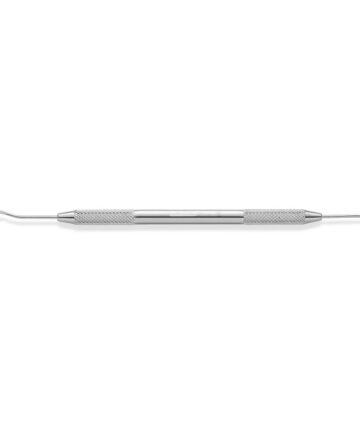
I.P.C contouring interproximal for plastic materials
SKU:
BMI-1329
I.P.C. Contouring Interproximal for Plastic:
- Material Composition: Typically made from high-quality, durable plastic or resin, designed to withstand the rigors of dental applications without degradation.
- Design Features: Specifically shaped to contour interproximal spaces effectively, allowing for precise adjustments in dental restorations and fittings.
- Size: Available in various sizes to accommodate different interproximal spaces and restoration needs, ensuring versatility in use.
- Handle Design: Often features an ergonomic handle for a comfortable grip, enabling better control during use and reducing hand fatigue.
- Flexibility: Designed to be flexible yet sturdy, allowing for smooth contouring of materials without damaging adjacent surfaces.
- Finish: Typically smooth to minimize friction, facilitating easy maneuverability in tight spaces during dental procedures.
- Usage: Commonly used in dentistry for contouring and shaping plastic materials in restorative procedures, ensuring a proper fit and aesthetic appearance.
- Sterilization Compatibility: Many designs are compatible with standard sterilization methods to maintain hygiene in clinical environments.
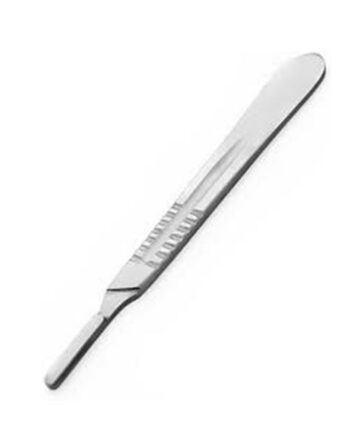
B.P Handle No.4
SKU:
BMI-1330
B.P. Handle No. 4:
- Material Composition: Typically made from high-quality stainless steel, ensuring durability, resistance to corrosion, and ease of sterilization.
- Design Features: Designed to accommodate various surgical blades, featuring a secure locking mechanism to hold blades firmly in place during use.
- Size: Medium-sized handle, providing a comfortable grip and control for various surgical procedures, suitable for both general and specialty surgeries.
- Handle Design: Ergonomically shaped with a textured grip to enhance control and reduce slippage during surgical procedures.
- Finish: Polished surface for easy cleaning and maintenance, minimizing the risk of contamination.
- Usage: Commonly used in surgical settings for making incisions and suturing, compatible with a wide range of surgical blades.
- Sterilization Compatibility: Designed to withstand autoclaving and other sterilization methods, ensuring compliance with hygiene standards in medical environments.
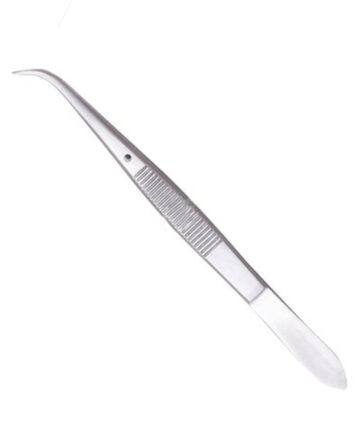
Perry Tweezers
SKU:
BMI-1331
Perry Tweezers:
- Material Composition: Typically made from high-quality stainless steel for durability, corrosion resistance, and ease of sterilization.
- Design Features: Characterized by long, narrow tips that are often angled for precision handling of small objects or tissues.
- Size: Available in various lengths, allowing for versatility in use across different applications, including surgical and laboratory settings.
- Handle Design: Ergonomically shaped for comfortable gripping, providing control and reducing hand fatigue during extended use.
- Tip Options: May come with various tip designs (e.g., smooth, serrated, or fine points) to accommodate different tasks, such as grasping or manipulating delicate materials.
- Finish: Usually polished to a smooth finish, enhancing visibility and facilitating easy cleaning to maintain hygiene.
- Usage: Commonly used in surgical procedures, dissection, and various laboratory applications for grasping and manipulating small items.
- Sterilization Compatibility: Designed to withstand autoclaving and other sterilization processes, ensuring compliance with health and safety standards.
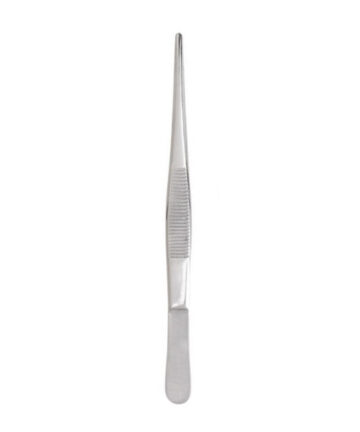
Dressing Forceps
SKU:
BMI-1332
Dressing Forceps:
- Material Composition: Typically made from high-quality stainless steel, ensuring durability, resistance to corrosion, and ease of cleaning.
- Design Features: Usually have a flat, wide gripping surface with a serrated or smooth finish, allowing for secure handling of dressings and other materials.
- Size: Available in various lengths to suit different applications, providing versatility in clinical and surgical settings.
- Handle Design: Ergonomically shaped for comfort, with a secure grip that allows for precise control when handling delicate dressings.
- Finish: Often polished for a smooth surface, enhancing visibility and minimizing the risk of contamination.
- Usage: Commonly used in medical settings for applying, adjusting, or removing dressings, as well as for handling other sterile materials.
- Sterilization Compatibility: Designed to withstand autoclaving and other sterilization methods, ensuring compliance with hygiene standards in medical environments.
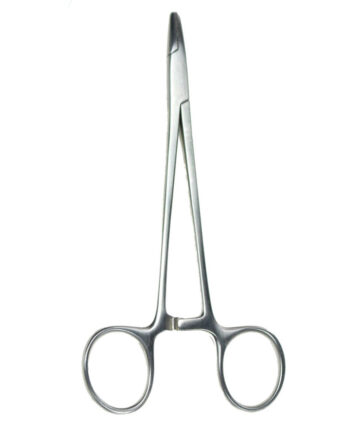
Mayo Hegar Needle Holder
SKU:
BMI-1333
Mayo Hegar Needle Holder:
- Material Composition: Typically made from high-quality stainless steel for durability, strength, and resistance to corrosion.
- Blade Design: Features a blunt, rounded tip designed for securely grasping and controlling needles during suturing and surgical procedures.
- Size: Available in various sizes, providing options for different surgical needs and preferences, usually longer for better reach.
- Handle Design: Ergonomically shaped handles, often with a locking mechanism for secure closure, allowing for controlled handling of needles.
- Finish: Smooth, polished surface for easy cleaning and maintenance, reducing the risk of contamination during use.
- Usage: Commonly used in surgical settings for holding needles while suturing, as well as for tissue manipulation and other procedures.
- Sterilization Compatibility: Designed to withstand autoclaving and other sterilization processes to ensure hygiene and safety in medical environments.
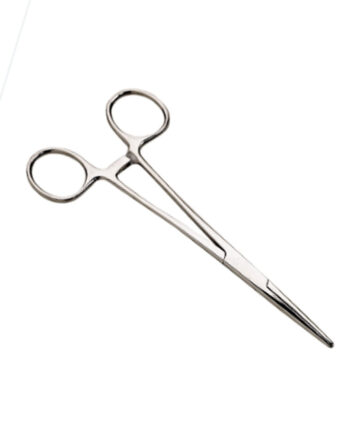
Straight Kelly Forceps
SKU:
BMI-1334
Straight Kelly Forceps:
- Material Composition: Constructed from high-quality stainless steel, providing strength, durability, and excellent corrosion resistance.
- Blade Design: Features straight jaws with a smooth, flat gripping surface, ideal for clamping and holding larger tissues or vessels securely.
- Size: Typically larger than mosquito forceps, offering a sturdy design suitable for various surgical applications.
- Handle Design: Ergonomically shaped handles with a ratchet mechanism, allowing for a secure grip and ease of use during procedures.
- Finish: Polished surface for easy cleaning, enhancing visibility and reducing the risk of contamination.
- Usage: Commonly utilized in surgical settings for clamping vessels, tissue, and during various procedures requiring precise handling.
- Sterilization Compatibility: Designed for compatibility with autoclaving and other sterilization methods to maintain hygiene standards in medical environments.
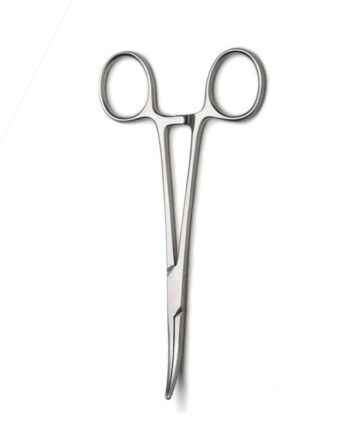
Kelly Forceps Curved
SKU:
BMI-1335
Kelly Forceps Curved:
- Material Composition: Made from high-quality stainless steel, ensuring durability, strength, and resistance to corrosion.
- Blade Design: Features curved jaws that facilitate better access and visibility during procedures, ideal for clamping or grasping tissue.
- Size: Typically larger than mosquito forceps, providing leverage for handling larger structures while still maintaining precision.
- Handle Design: Ergonomically shaped handles, often with a ratchet mechanism, allowing for a secure grip and easy locking.
- Finish: Smooth, polished surface for easy cleaning and sterilization, minimizing the risk of contamination.
- Usage: Commonly used in surgical settings for clamping vessels, tissue, or other materials, as well as in gynecological and urological procedures.
- Sterilization Compatibility: Designed for autoclaving and other sterilization processes to ensure hygiene and safety in medical environments.
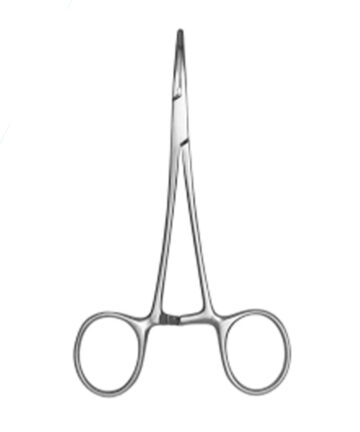
Mosquito Forceps Straight
SKU:
BMI-1336
Mosquito Forceps Straight:
- Material Composition: Typically made from high-quality stainless steel for strength, durability, and resistance to corrosion and staining.
- Design Features: Straight jaws with a fine, serrated grip for secure holding of delicate tissues and materials.
- Size: Generally compact, allowing for precision handling in confined spaces, ideal for surgical and laboratory applications.
- Handle Design: Ergonomically shaped, often with a ratchet mechanism for locking, providing a secure grip and reducing hand fatigue during use.
- Finish: Usually polished for a smooth surface, enhancing ease of cleaning and sterilization.
- Usage: Commonly used in surgical procedures, dissection, and laboratory work for clamping or holding tissues and small objects.
- Sterilization Compatibility: Designed to withstand autoclaving and other sterilization methods to ensure hygiene in medical environments.