
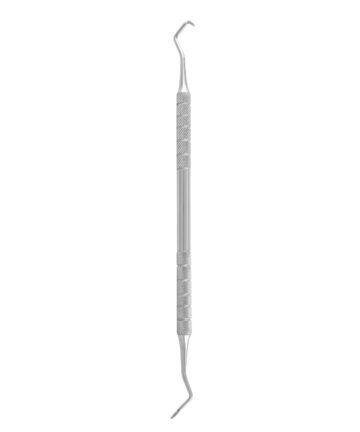
Jacquette (30/33)
SKU:
BMI-1526
Material:
- Construction:
- Material: Typically made from stainless steel, providing durability, resistance to corrosion, and ease of sterilization.
- Design: The instrument features a double-ended design, with each end shaped for specific scaling tasks.
Features:
- Sharp Scaling Edges: Each end of the Jacquette is equipped with sharp edges specifically designed for effective removal of calculus and plaque from tooth surfaces.
- Ergonomic Handle: The handle is crafted for a comfortable grip, allowing for precise movements and reducing hand fatigue during extended procedures.
Applications:
- Commonly used in periodontal treatments for scaling and root planing, effectively cleaning tooth surfaces above and below the gum line.
- Ideal for routine dental cleanings, ensuring thorough removal of plaque and calculus for improved oral health.
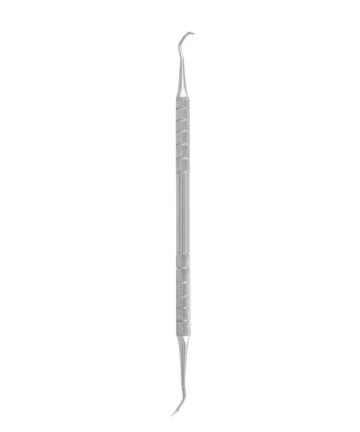
Jacquette (31/32)
SKU:
BMI-1527
Material:
- Construction:
- Material: Typically made from stainless steel, ensuring durability, resistance to corrosion, and ease of sterilization.
- Design: The instrument features a double-ended design, with each end having distinct shapes to accommodate different scaling needs.
Features:
- Sharp Cutting Edges: Each end of the Jacquette has sharp edges tailored for effective removal of calculus and plaque, making it easier to clean teeth thoroughly.
- Ergonomic Handle: The handle is designed for a comfortable grip, allowing for precise control and minimizing hand fatigue during extended use.
Applications:
- Widely used in periodontal treatments to scale and root plan, particularly effective for cleaning tooth surfaces both above and below the gum line.
- Suitable for routine dental cleanings as well as for more complex periodontal therapy.
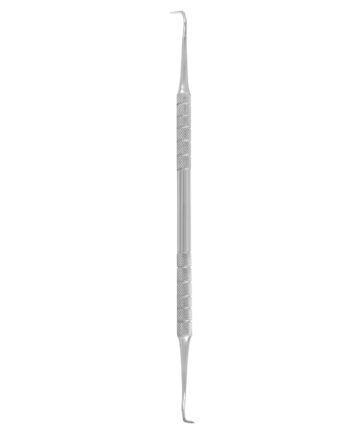
Jacquette (34/35)
SKU:
BMI-1528
Material:
- Construction:
- Material: Typically made from stainless steel, which provides durability, resistance to corrosion, and ease of sterilization.
- Design: The instrument features a double-ended design, with each end having a different shape to facilitate various scaling tasks.
Features:
- Sharp Edges: The cutting edges are specifically designed for effective removal of calculus and plaque, making it easier for dental professionals to clean teeth thoroughly.
- Ergonomic Handle: The handle is designed for comfort and control, allowing for precise movements during scaling procedures and reducing hand fatigue.
Applications:
- Commonly used in periodontal treatments to scale and root plan, effectively cleaning the surfaces of teeth above and below the gum line.
- Ideal for use in both routine dental cleanings and more extensive periodontal therapy.
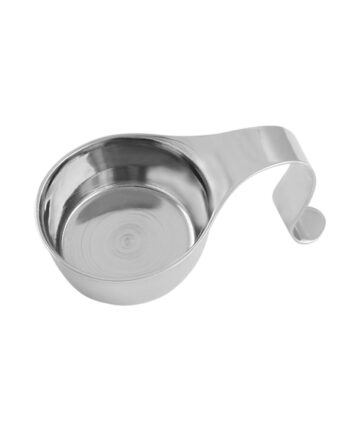
Pumice Cup
SKU:
BMI-1529
Material:
- Construction:
- Material: Typically made from soft rubber or a similar flexible material, often filled with pumice, a volcanic ash known for its abrasive properties.
- Design: The cup is shaped like a small bowl or cup and is mounted on a rotary handpiece for effective use.
Features:
- Abrasive Surface: The pumice material provides a gentle abrasive action, effectively removing stains, plaque, and debris from tooth surfaces without damaging the enamel.
- Flexible Design: The cup’s flexibility allows it to conform to the contours of the teeth, ensuring thorough cleaning and polishing, especially in difficult-to-reach areas.
- Ease of Use: Designed for compatibility with standard dental handpieces, making it easy for dental professionals to incorporate into routine cleanings and polishing procedures.
Applications:
- Commonly used in prophylactic procedures to polish teeth after scaling and to enhance the aesthetic appearance of teeth.
- Ideal for use in conjunction with polishing pastes for a smooth, high-gloss finish on tooth surfaces.
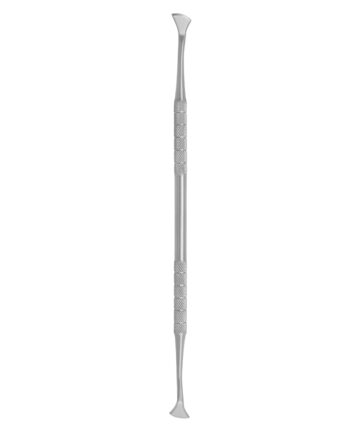
Kirkland
SKU:
BMI-1530
Material:
- Construction:
- Material: Typically made from stainless steel, ensuring durability, resistance to corrosion, and ease of sterilization.
- Design: The Kirkland instrument usually features a double-ended design, with each end shaped for specific functions.
Features:
- Double-Ended Design: Each end often has a unique shape, allowing for versatility in handling different surgical tasks. One end may have a curved blade or hook for cutting or retracting tissues, while the other may be designed for grasping or manipulating.
- Ergonomic Handle: Designed for a comfortable grip, the handle allows for better control during surgical procedures, minimizing hand fatigue.
Applications:
- Commonly used in oral and maxillofacial surgeries for tasks such as retraction, cutting, or suturing.
- Effective for manipulating soft tissues and ensuring visibility during surgical procedures.